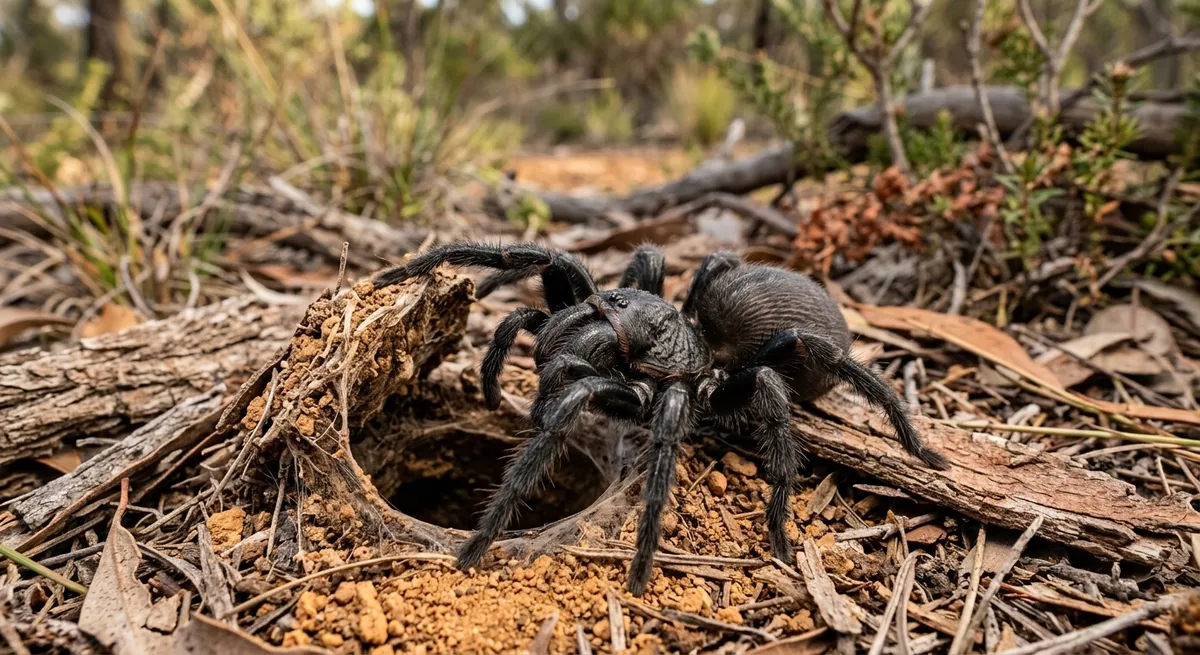
The plight of endangered species often captures headlines and stirs our emotions. One such fascinating yet overlooked creature is the trapdoor spider found in Western Australia. This small, immobile species is on the brink of extinction due to land clearing and habitat fragmentation, prompting researchers like Jackson Rendall to investigate their genetic health and conservation strategies. Their work provides crucial insights into the resilience of ecosystems and the importance of genetic diversity.
Understanding the Threat to Trapdoor Spiders
Trapdoor spiders may not be the stars of the animal kingdom, but their decline brings to light significant environmental issues. As habitats are cleared for agriculture and urban development, these spiders, which are unable to migrate easily, find their homes increasingly isolated. This fragmentation not only threatens their survival but also disrupts the larger ecological web they inhabit, demonstrating the interconnectedness of species within an ecosystem.
Genetic Diversity: A Key to Survival
A major focus of Jackson Rendall’s research is uncovering the genetic diversity within trapdoor spider populations. Genetic diversity is critical for adaptability—if a population lacks genetic variation, its members may be less able to survive diseases or changing environmental conditions. Through collecting leg samples and conducting DNA analysis, researchers like Rendall can assess genetic health and variation among populations.
Rendall points out that gathering leg samples might seem like a peculiar task, but these tiny appendages hold essential genetic information. As they analyze the DNA, researchers can determine the level of genetic diversity, which can inform conservation strategies aimed at bolstering these spider populations.
The Role of Spider Burrows in Ecosystem Health
Beyond their immediate conservation needs, trapdoor spiders play a vital role in their ecosystems. Their burrows provide shelter not only for themselves but also for other small organisms. This unique trait highlights the importance of conserving these spiders—not only to save them but to maintain the broader biodiversity of their habitat. A thriving population of trapdoor spiders can create a ripple effect, benefiting other species that share their home.
Innovative Conservation Strategies
With data collected on genetic diversity and population mapping, conservationists can develop effective strategies for protecting trapdoor spiders. Proposed measures include habitat restoration and rehabilitation, as well as maintaining genetic corridors that allow for gene flow between fragmented populations. The insights gained from studying these spiders can also shed light on conservation practices applicable to other endangered species.
The 'Vibe' of Conservation
Rendall's approach to research is not only rigorous but also engaging. He believes that connecting people emotionally with these “uncool” creatures is essential to garnering support for their conservation. By using concepts like “spider vibes,” he aims to make conservation biology relatable and accessible. This method helps dispel the notion that all important species must be large or charismatic, emphasizing that even the smallest creatures have vital roles in our ecosystems.
Conclusion: Every Species Matters
In the grand tapestry of life, every species—no matter how small or overlooked—plays an important role. By focusing on the endangered trapdoor spider, researchers like Jackson Rendall are illuminating the broader implications of biodiversity and genetic health for the entire ecosystem. Protecting these small, charismatic spiders can lead to significant strides in conservation, illustrating how even the tiniest creatures can have a huge impact on our environment. As we find ways to support these endangered species, we must remember: the health of our ecosystems relies on the richness of life within them.