
AI Is Less Regulated Than Milk: What That Means for Health Care
Microsoft's Brad Smith says AI is less regulated than milk. Here's what that safety gap could mean for patients and the health care tools they rely on.

Microsoft's Brad Smith says AI is less regulated than milk. Here's what that safety gap could mean for patients and the health care tools they rely on.
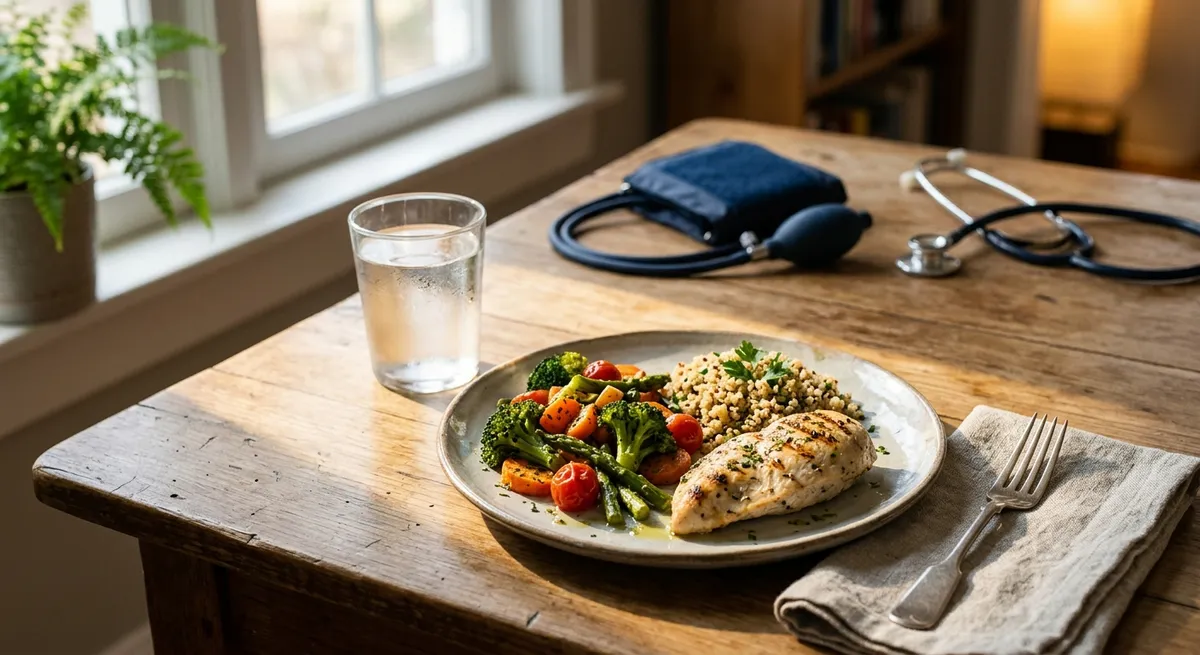
Learn the benefits of 16:8 intermittent fasting for weight loss and its limitations for heart health. Discover what an 8-hour eating window entails.

A study reveals lowering blood pressure to 130/80 can reduce dementia risk by 15%. Discover how managing hypertension may protect brain health.
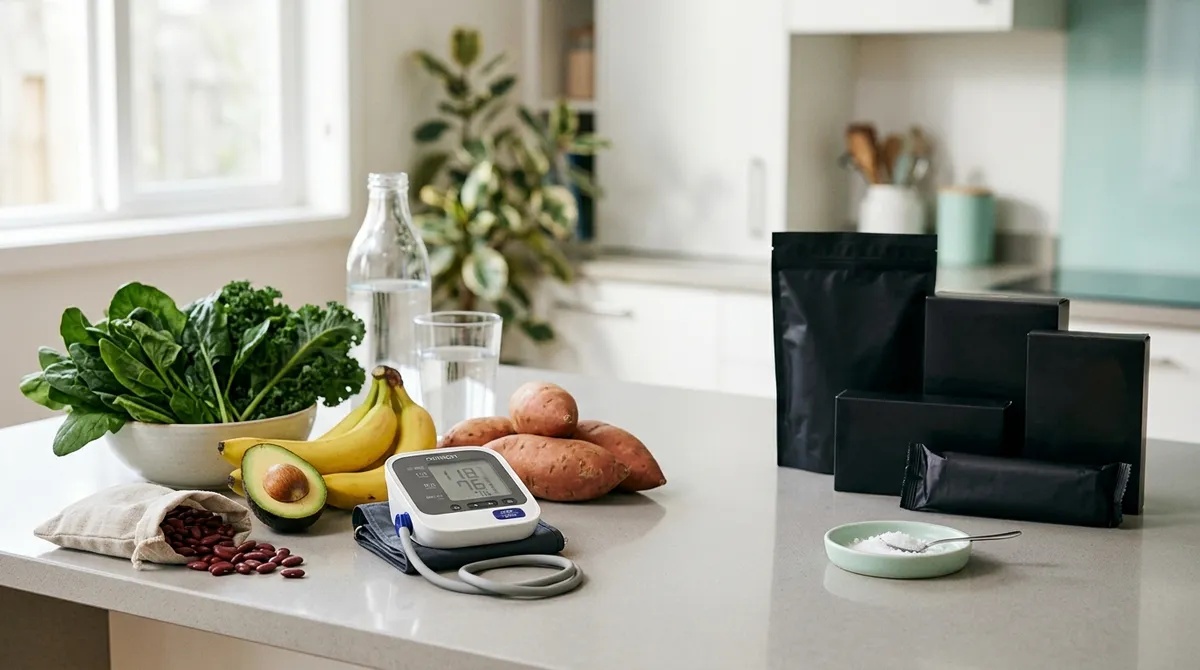
Learn how increasing potassium can enhance blood pressure control when paired with salt reduction. Discover practical dietary tips for heart health.

UCL researchers utilize AI to tailor treatments for rectal cancer, identifying patients who benefit most from intensified regimens. Discover the breakthrough.

Discover how AI predicts flame-resistant materials, saving time and improving safety in electronics, EVs, and construction. Learn about UL-94 and LOI standards.

Before you stop taking blood pressure medication, discover expert advice on safe practices, lifestyle changes, and essential questions for your doctor.

Explore how the FAA's partnership with AI firms, like Palantir, aims to enhance air traffic control safety and reduce runway incidents.

The FDA approval of Afrezza inhaled insulin for children ages 6 and older offers a needle-free alternative that could transform diabetes management for young...

New research reveals over 91% of adults with ADHD use masking behaviors to fit in socially, but these strategies backfire causing exhaustion, anxiety and...

Yale neurologist discusses controllable stroke risk factors, lifestyle interventions like the DASH diet, and emerging rehabilitation technologies in...

New research suggests common blood pressure medications may increase kidney disease risk by 33% in type 2 diabetes patients, challenging current treatment...