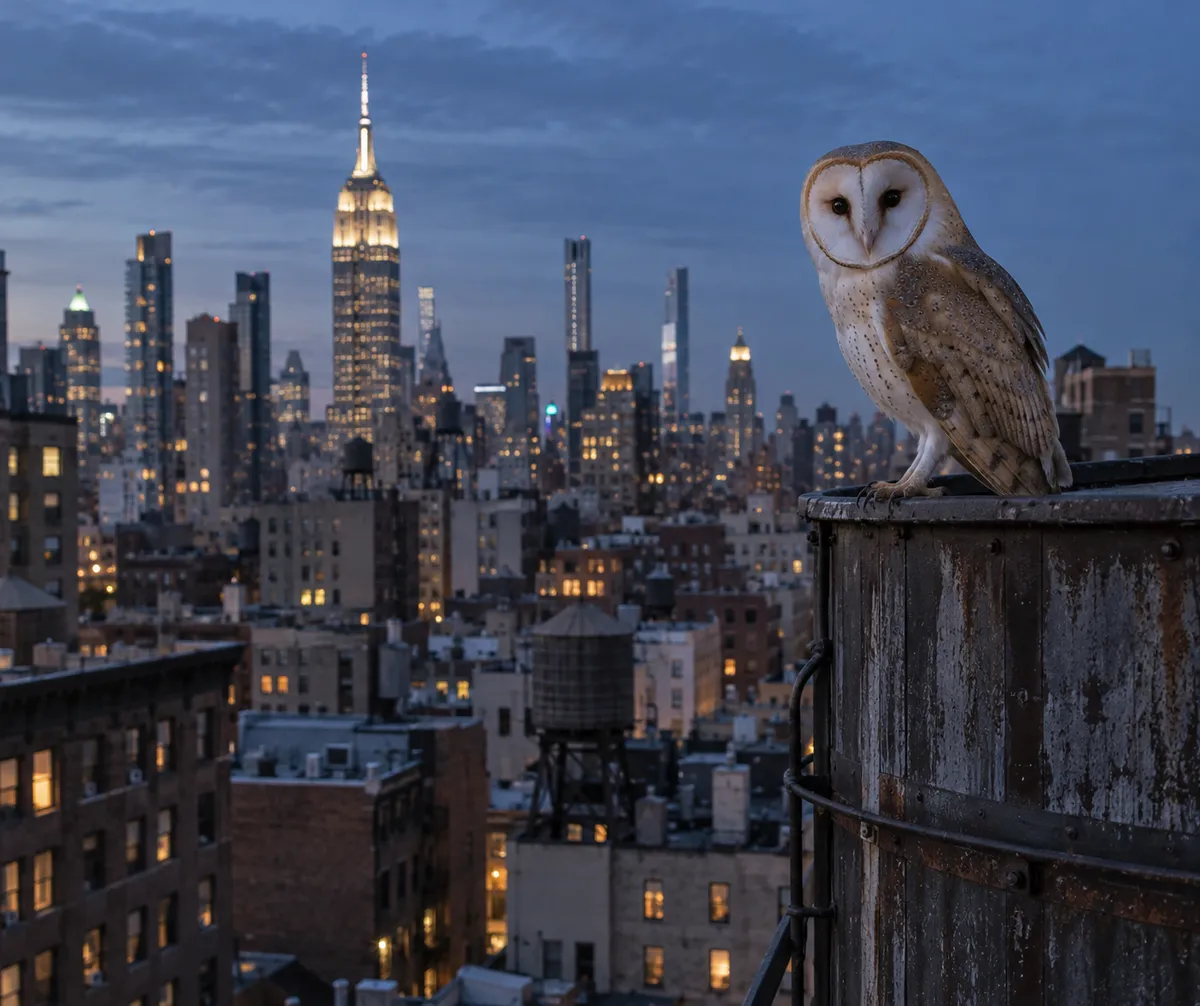
Barn Owls in Manhattan: How to Enjoy City Wildlife Safely
A rare barn owl family nesting on the Upper West Side has drawn nightly crowds. Here's what's known, and how watching urban wildlife can lift your wellbeing.

A rare barn owl family nesting on the Upper West Side has drawn nightly crowds. Here's what's known, and how watching urban wildlife can lift your wellbeing.
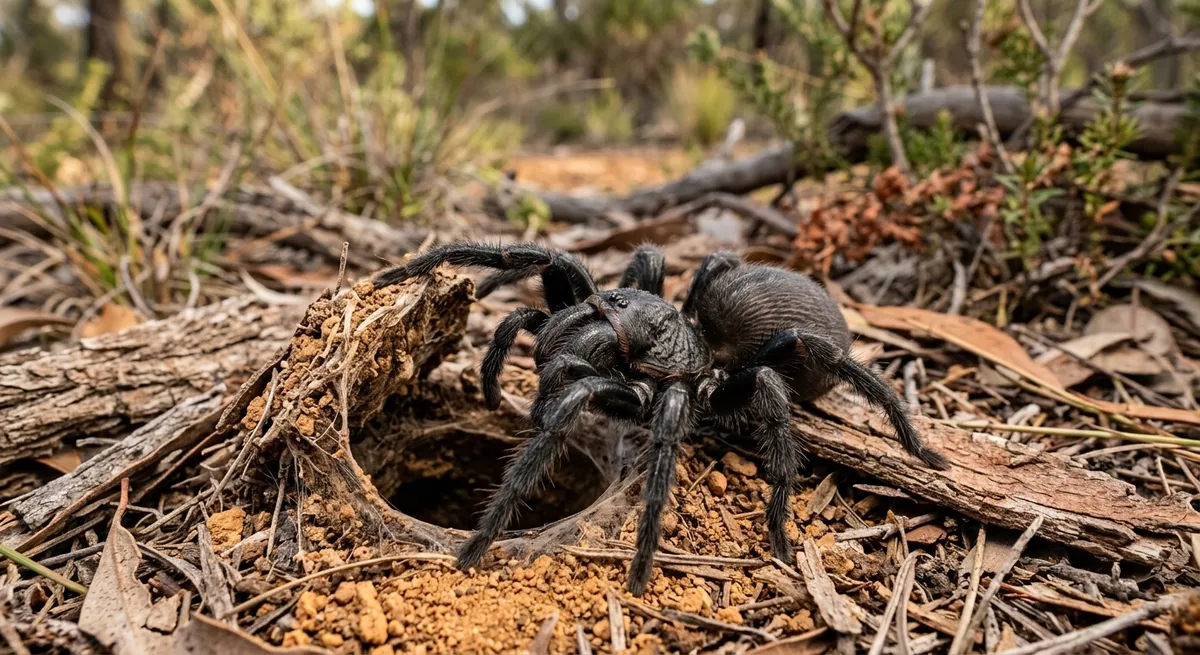
Explore how studying endangered trapdoor spiders can reveal vital insights into conservation efforts and ecosystem resilience.
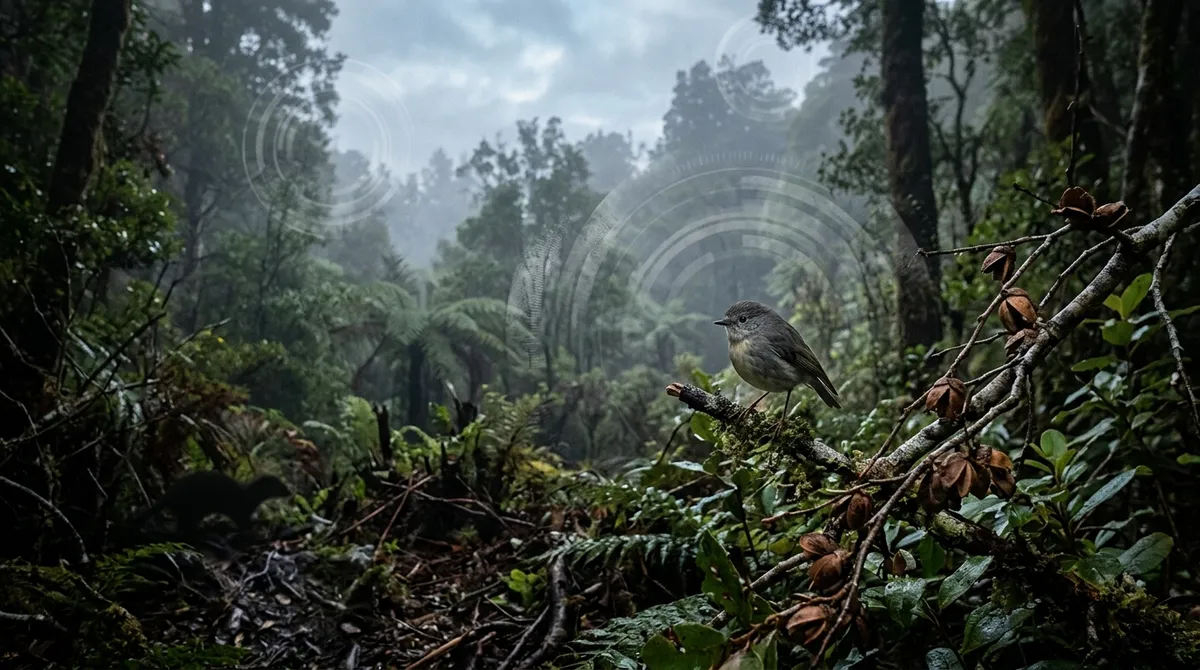
Discover how tailored timing for 1080 drops can effectively manage predator populations in New Zealand, ensuring better protection for native species.

Discover how yellow-morph green sea turtles in the Galápagos surprise scientists by staying in local marine reserves instead of migrating.

Discover how a UCLA study sheds light on the nucleocapsid protein's role in long COVID, revealing key mechanisms of tissue damage and potential therapies.
A new study suggests humans could live between 146-194 years, exploring key biological limits to longevity. Find out what it means for aging research.
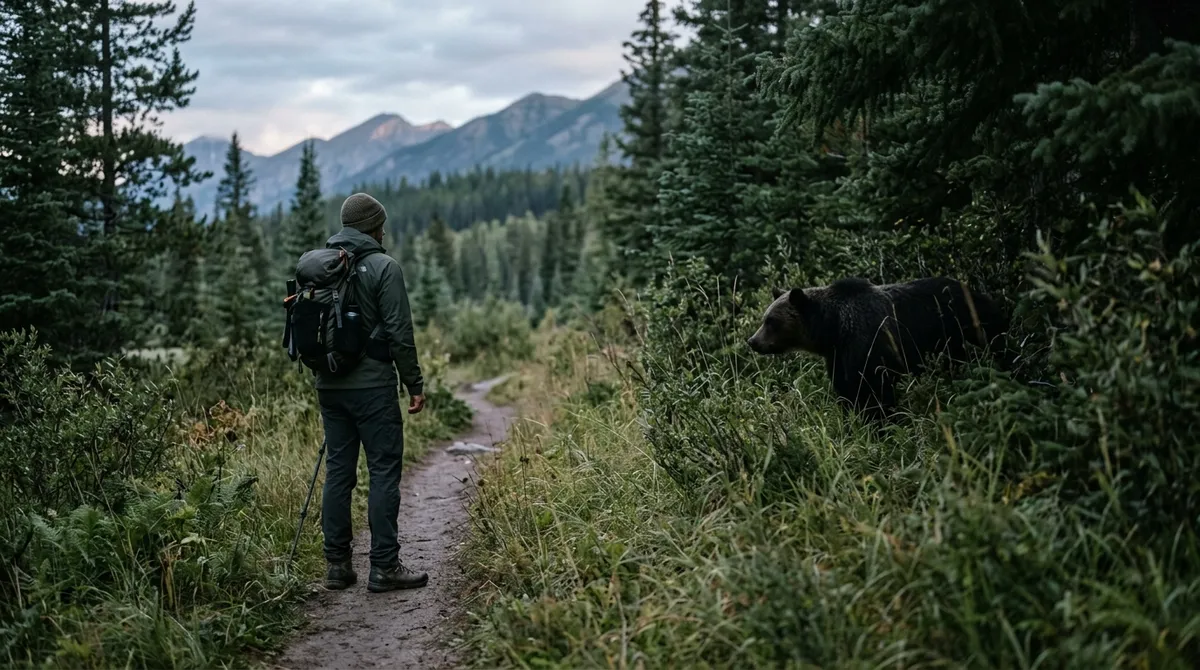
Discover how quiet outdoor activities in national parks increase dangerous wildlife encounters and learn essential safety tips to enjoy nature responsibly.

New mouse research indicates completely eliminating sugar could impair glucose control and increase inflammation, challenging popular wellness trends.

Alliance for Clinical Trials in Oncology's new portal shows 84% positive experience rate, with 96% reporting easy access and 93% agreeing to future research...

A 2025 study found vagus nerve stimulation combined with exposure therapy eliminated PTSD diagnoses in all nine treatment-resistant participants.

New review of 22 studies finds naturally occurring trans fats in dairy products don't increase heart disease or diabetes risk, unlike industrial trans fats.

New research positions sleep as a foundational longevity tool, with growing evidence linking poor rest to metabolic issues and dementia risk.