
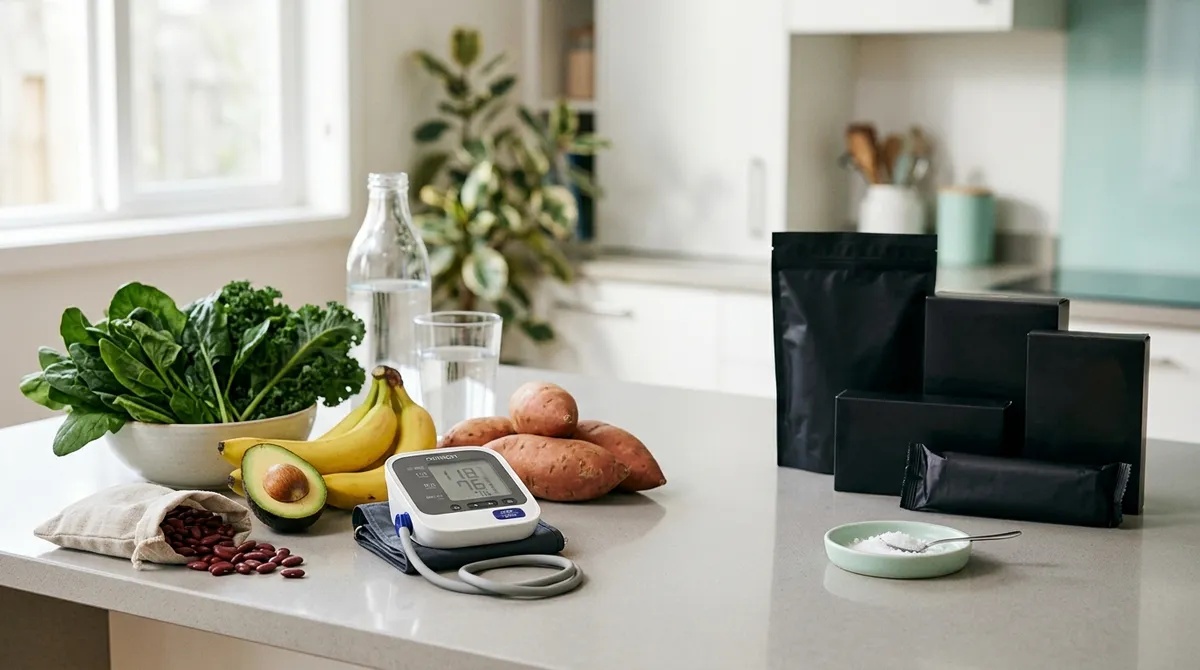
High blood pressure, or hypertension, affects approximately 120 million Americans. Traditionally, dietary advice has focused on reducing sodium intake, but recent research suggests there's more to the story. Increasing potassium intake alongside lowering sodium may be a more effective way to reduce blood pressure and improve cardiovascular health. Let’s explore why this sodium-to-potassium balance is crucial and how you can make practical dietary changes.
The Importance of Potassium in Blood Pressure Control
Many people believe that simply eating less salt is the key to controlling blood pressure. However, experts are highlighting that the sodium-to-potassium ratio is a stronger predictor of cardiovascular health than sodium alone. This means that if you reduce your sodium consumption without also increasing potassium, you might not achieve optimal blood pressure control.
Potassium plays several critical roles in regulating blood pressure. It helps to relax blood vessel walls, thereby reducing blood pressure, and counteracts the adverse effects of sodium, which can contribute to hypertension. Therefore, getting enough potassium is vital for heart health.
Foods Rich in Potassium Beyond Bananas
When you think of potassium-rich foods, bananas often come to mind, but there are many other excellent sources. Here are some high-potassium foods to consider adding to your diet:
1. Leafy Greens
Foods such as spinach, kale, and Swiss chard are not only low in calories but also packed with potassium.
2. Sweet Potatoes
This delicious alternative to regular potatoes offers a significant potassium boost along with fiber and vitamins.
3. Beans and Lentils
Legumes, including kidney beans, black beans, and lentils, are nutrient-dense options that can substantially increase your potassium intake.
4. Avocados
Rich in healthy fats, avocados are also excellent sources of potassium and can make for a heart-healthy snack or addition to meals.
5. Fish
Fatty fish like salmon and mackerel are not just good for omega-3 fatty acids; they also provide a healthy dose of potassium.
Incorporating these foods into your regular meals can help you balance your sodium and potassium intake effectively.
Hidden Sodium Traps in Everyday Foods
Another key aspect of managing blood pressure is being aware of hidden sources of sodium in common foods. Many processed and restaurant foods contain surprising amounts of salt. Here’s where to look out:
- Canned and Packaged Foods: Many canned vegetables, soups, and sauces often have high sodium content. Look for low-sodium options.
- Bread and Baked Goods: Sodium can sneak into your diet through bread, rolls, and baked snacks. Opt for whole grain, low-sodium varieties.
- Condiments: Items like ketchup, soy sauce, and salad dressings can be salt-heavy. Consider making your own dressings or finding reduced-sodium versions.
Reading labels carefully can help you identify and reduce your sodium intake without sacrificing flavor.
Simple DASH-style Swaps for Better Blood Pressure
One effective approach to rebalancing your diet is through a DASH (Dietary Approaches to Stop Hypertension)-style eating plan, which emphasizes foods rich in potassium. Here are some simple swaps to get you started:
- Swap out regular potato chips for air-popped popcorn seasoned with your favorite herbs for a potassium-rich snack.
- Use fresh herbs instead of salt to flavor your dishes.
- Instead of processed meats, choose lean proteins like poultry or beans, which provide potassium without excessive sodium.
These swaps can not only aid in lowering your blood pressure but also improve your overall nutrient intake.
When To Consult Your Doctor
Before making significant changes to your diet, especially if you're considering increasing potassium intake, it’s vital to talk to your healthcare provider. Some individuals may have conditions that require monitoring of potassium levels, particularly those with kidney issues or those on certain medications.
Conclusion
Incorporating more potassium into your diet while reducing sodium can be a game changer for managing your blood pressure. By focusing on whole foods rich in potassium and being mindful of hidden sodium, you can create a more balanced diet that supports your cardiovascular health. Start by exploring delicious, nutritious foods and practical meal swaps to take control of your blood pressure today.