
TL;DR
The FAA is teaming up with AI companies like Palantir to develop tools aimed at improving air traffic control safety and reducing runway incidents. While AI shows promise, experts emphasize the necessity of human oversight.
A New Era in Aviation Safety
The aviation industry is undergoing a technological renaissance, and at the forefront of this shift is the Federal Aviation Administration (FAA). The recent partnership with artificial intelligence firms, particularly Palantir, marks a significant step toward modernizing air traffic control systems. With runway incidents a persistent concern, the integration of AI could be a game-changer in enhancing aviation safety.
The Role of AI in Reducing Runway Incidents
Runway incidents—whether they involve collisions, near misses, or miscommunications—pose serious risks to passenger safety. AI offers a fresh approach by analyzing vast amounts of data in real-time, potentially identifying hazards quicker than human controllers. The FAA's collaboration aims to create advanced monitoring tools designed to minimize these incidents, paving the way for safer skies.
Can AI Help Prevent Collisions?
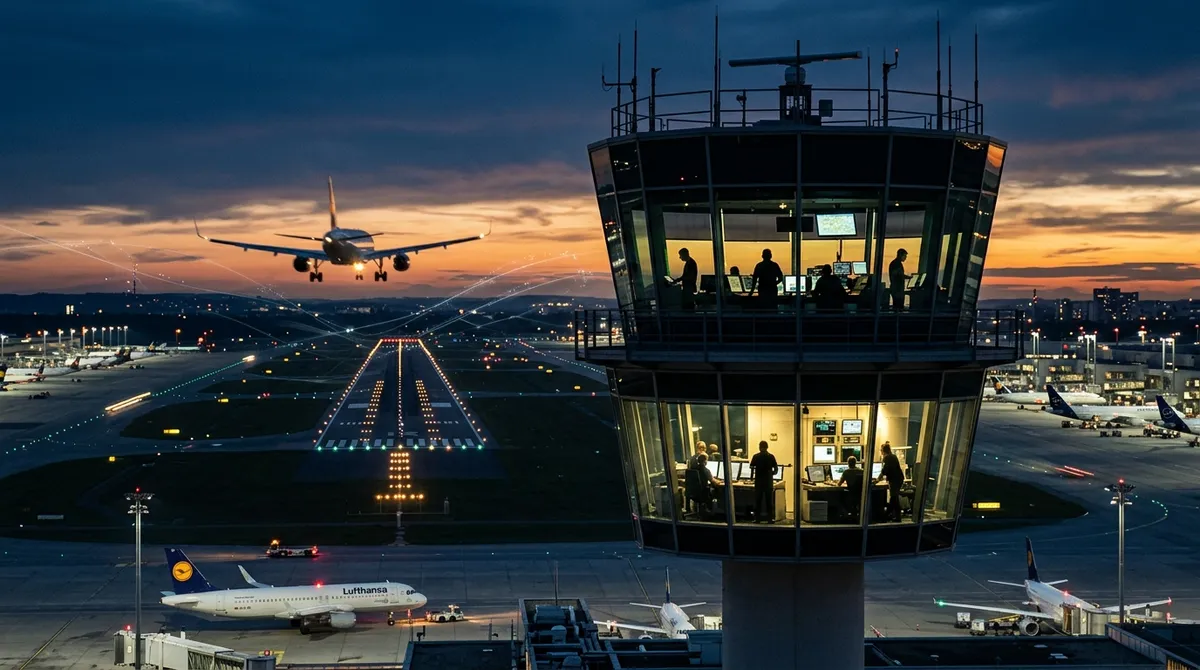
One focus of the FAA's initiative is developing AI systems to predict and prevent runway collisions. These algorithms can analyze various factors, such as weather, air traffic patterns, and aircraft communications, to provide proactive recommendations to air traffic controllers. Imagine a scenario where AI could alert a controller to a potential conflict before even the human eye could spot it. This could drastically change how risks are managed in the tower.
The Importance of Human Oversight
Despite the exciting prospects of AI in aviation, experts caution against over-reliance on algorithms. The safety of air traffic management hinges on collaboration between AI systems and human controllers. AI can present insights and analysis, but it lacks the nuanced judgment that a trained individual brings, especially in high-pressure situations. A blend of both technologies and human oversight is crucial to ensuring safety remains the top priority.
The Risks of Relying on AI Algorithms
As we integrate more AI into sensitive areas like air traffic control, it’s essential to grasp the inherent risks. Algorithms can be faulty, biased, or lack the ability to adapt to unprecedented scenarios. A system that wholly relies on AI could lead to catastrophic errors if not properly monitored. Therefore, a philosophy of partnership—AI supporting human decision-making rather than replacing it—is vital.
Why Trust Matters in Aviation AI
Trust can’t be underestimated when it comes to introducing AI into aviation safety operations. Passengers and operators need confidence that both human and machine will work seamlessly to mitigate risks. Building this trust will require transparency in how AI systems operate, the data used for training them, and the decision-making processes involved.
Palantir’s Growing Role in Government Safety Systems
Palantir, a key player in the FAA's AI journey, is known for its advanced data analytics platforms. Their technology is being adapted for aviation with the intention of providing enhanced oversight capabilities and actionable insights to air traffic controllers. As government agencies continue to explore similar partnerships, the importance of these collaborations cannot be understated in shaping future public safety measures.
Looking Ahead: A Safer Skies
The FAA's move to partner with AI firms is more than just a technological upgrade; it represents a shift in the approach to aviation safety. By investing in AI while still prioritizing human oversight, the FAA aims to create a healthier ecosystem in the skies. As this partnership develops, the world will be watching closely, curious to see how AI can help secure the safety of millions of travelers flying every day.
Final Thoughts
As the FAA embraces AI for air traffic control safety, it opens the door to a new realm of possibilities. However, striking the right balance between machine efficiency and human experience will be the key to maintaining the safety of our airways. In this high-stakes arena, the question remains: Can we trust AI to navigate the critical spaces where human lives are at stake?