
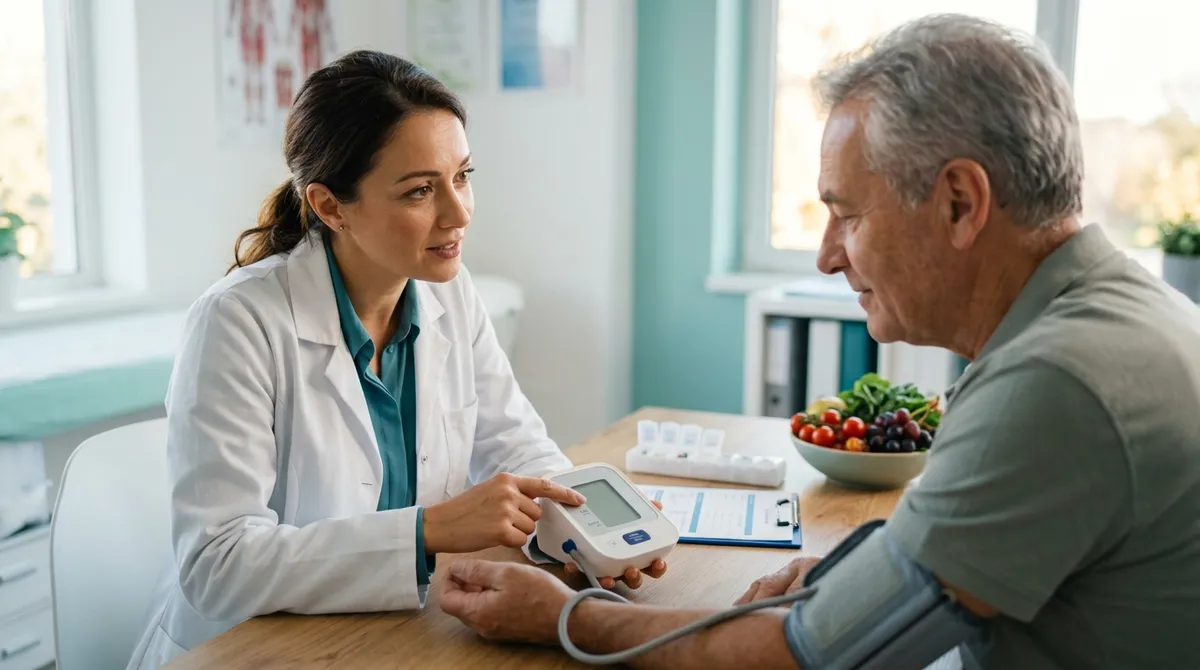
TL;DR: If you're considering stopping your blood pressure medication, consult your doctor first. Understand medication types, potential risks, and lifestyle supports that can help manage your blood pressure effectively.
Can I Really Stop My Blood Pressure Meds?
The thought of ditching your blood pressure medication might be tempting, especially if you’ve read about lifestyle changes that could play a pivotal role in controlling hypertension. However, it's essential to approach this topic with caution and an informed mindset. Let's explore the important considerations before you take the leap.
1. Close Monitoring is Key
One crucial aspect that experts emphasize is that any decision to stop your medication should happen gradually and under close medical supervision. Abruptly ceasing medication can lead to a dangerous spike in blood pressure, which may increase the risk of heart attack or stroke. It’s not just about the medication; it’s about your overall health journey. Regular monitoring can help in managing your blood pressure effectively and inform your healthcare provider about the next steps.
2. Different Medications for Different Needs
Did you know not all blood pressure medications are created equal? There are various classes of blood pressure drugs, each differentiated by their mechanisms and side effects. Dihydropyridine calcium channel blockers, for example, have recently raised alarms about kidney risks, especially for individuals with type 2 diabetes. This makes it critical to discuss with your doctor whether switching medications might be a safer alternative than stopping altogether.
3. Consider Switching Rather Than Stopping
If you’re worried about the side effects of your current medication or have heard troubling news about specific drugs, don’t rush to stop them. Instead, a switch might be a better strategy. Talk to your healthcare provider about alternatives that suit your health needs and lifestyle while still keeping your blood pressure in check. An experienced doctor can guide you through potential alternatives that minimize risks without compromising your health.
4. The Power of Lifestyle Changes
There’s no denying the potential impact lifestyle changes can have on blood pressure management. While these changes can play a vital role in maintaining heart health, they may not be enough to eliminate the need for medication entirely for everyone. Key changes such as regular physical activity, maintaining a healthy weight, and reducing alcohol intake can greatly help, but they are often most effective when used in conjunction with prescribed medications.
5. Dietary Strategies to Consider
Another area where you can take action is through your diet. Certain eating patterns, like the DASH (Dietary Approaches to Stop Hypertension) diet, have shown effective results in lowering blood pressure. Incorporating potassium-rich foods, reducing sodium intake, and focusing on whole grains, fruits, and veggies can offer significant benefits. By paying attention to your dietary habits, you can support your medication—or possibly prepare to reduce it under medical oversight.
Conclusion: A Safe Path Forward
Making health decisions regarding blood pressure management requires thoughtful consideration. If you’re contemplating stopping your blood pressure medication, remember to engage in an open dialogue with your healthcare provider. Together, you can discuss personalized options that prioritize your well-being, including safe lifestyle modifications and potential medication adjustments.
It's easy to get swept up in the idea of managing health concerns naturally. However, key insights from experts underline that there’s no one-size-fits-all solution. Stopping your medication should be a collaborative decision made with your doctor—emphasizing safety and evidence-based strategies. After all, your heart health is a top priority, and responsible management is the best way to ensure it stays that way!