
TL;DR
A recent study reveals that hidden fat inside muscles is linked to heart disease and metabolic issues, emphasizing the need for proactive health measures beyond just looks.
The Hidden Fat Problem Nobody Talks About
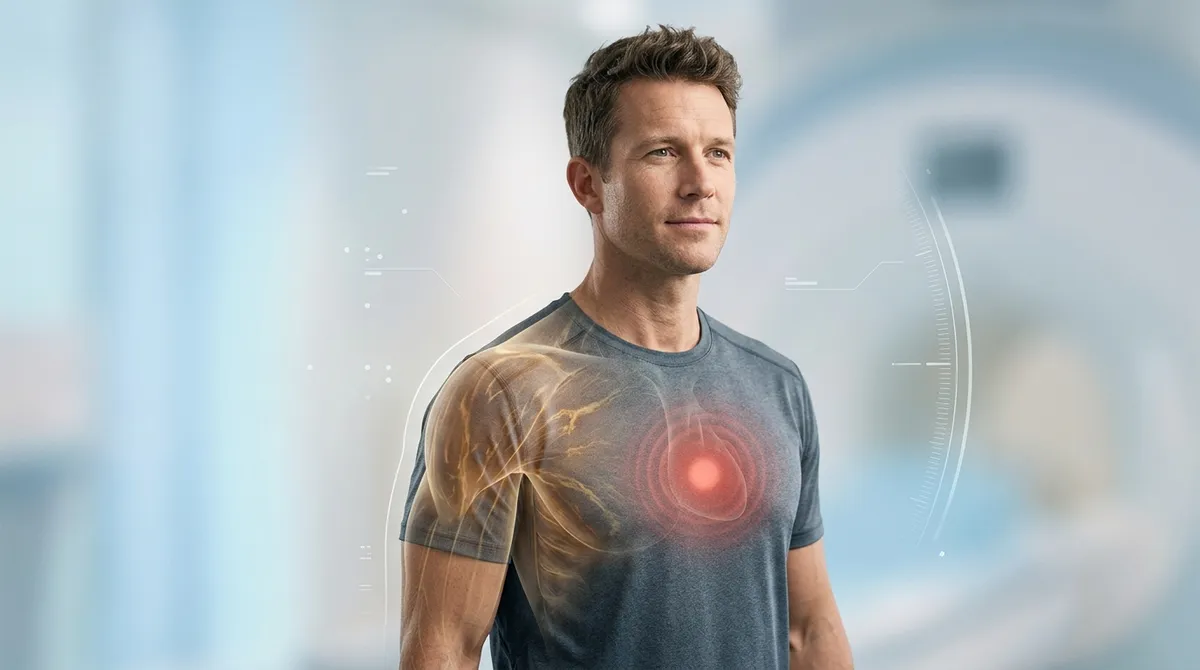
When we think of body fat, we often picture the external layers we can see. However, a groundbreaking study has brought to light a less visible culprit lurking within our muscles: intermuscular fat. This hidden fat, which is invisible to our naked eye, might just be wreaking havoc on our cardiovascular health and metabolic function without us even knowing.
What Is Intermuscular Fat?
Intermuscular fat is the name given to the fat deposited between muscle fibers. Surprisingly, even those who appear fit can accumulate this type of fat, leading to serious health risks. Unlike subcutaneous fat, which is located just beneath the skin, intermuscular fat can have a more profound impact on our overall well-being—especially our heart health.
The Study That Changed Everything
Using cutting-edge AI-powered MRI analysis, researchers conducted a study that unraveled the relationship between hidden muscle fat and prevailing health risks. Notably, nearly 46% of participants deemed "healthy" exhibited unhealthy cholesterol levels. This statistic shifts our perspective on fitness; it urges us to look beyond aesthetics and recognize the importance of muscle quality.
Health Risks: What You Need to Know
The findings suggest that having higher levels of intermuscular fat is directly linked to:
- Cardiovascular disease
- High blood pressure
- Metabolic disorders This means that just because someone appears fit doesn't mean they are free from health risks.
The Silent Health Crisis
What's alarming is the growing prevalence of intermuscular fat among individuals who otherwise lead active lifestyles or maintain a healthy weight. Many continue to believe that looking good equates to being healthy, but this study demonstrates a crucial blind spot in our health assessments.
The Gender Gap
Interestingly, there is a noticeable gender gap when it comes to muscle protection against fat accumulation. Generally, men may find it easier to maintain muscle quality, while women might not experience the same benefit until after the menopause phase. This finding emphasizes the importance of tailored health strategies based on gender.
Actionable Lifestyle Changes
Understanding that hidden muscle fat can contribute to serious health risks can be disheartening, but it isn’t all doom and gloom. There are several lifestyle changes that we can adopt to combat this insidious issue:
1. Strength Training
Incorporating strength training into your routine can significantly improve muscle quality and combat the buildup of intermuscular fat. Research supports that regular weightlifting not only helps build muscle but can also enhance metabolic health.
2. Cardiovascular Exercise
Pairing strength training with cardiovascular exercise can further enhance heart health. Aim for a balanced approach that includes both strength and cardio to maximize muscle quality.
3. Nutrition Matters
We can't underestimate the importance of nutrition in managing body composition. A diet rich in lean proteins, healthy fats, and fiber can support muscle maintenance and reduce fat accumulation.
4. Regular Health Screenings
Don’t bypass regular health check-ups that include cholesterol and metabolic screenings. Early detection of hidden risks can lead to proactive measures that can save lives.
The Role of AI in Health Detection
This study also highlights the role of technology, particularly AI, in the future of health care. With AI-driven MRI scans, we can detect these hidden risks far earlier than traditional methods, allowing for better-informed health decisions.
Final Thoughts
The discovery of hidden muscle fat underscores the need to shift our health focus from purely external appearances to internal wellness. By understanding that muscle quality plays a crucial role in our cardiovascular and metabolic health, we can take actionable steps toward a healthier future.
Remember, looking fit is not the same as being healthy. Let’s make informed decisions, prioritize strength-training and cardiovascular exercises, and stay proactive about our health. Armed with this knowledge, you can turn the tide in your favor, ensuring you’re not just looking fit, but are genuinely healthy too.