
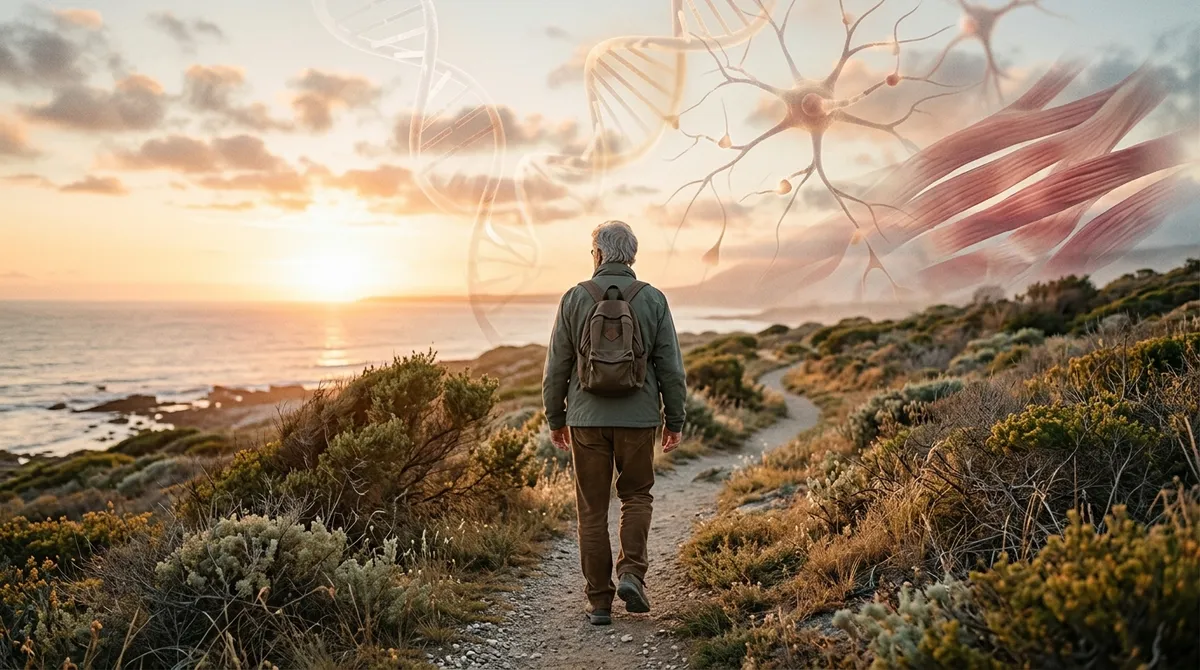
A recent study published in NPJ Aging presents a groundbreaking mathematical model that estimates humans could theoretically survive between 146 and 194 years, provided we reach breakthroughs in treating the biological processes of aging. So, what does this mean for our understanding of longevity?
Understanding the Study's Findings
This new research focuses on how somatic DNA mutations—the changes that accumulate in our cells throughout life—impact our lifespan. According to the study, these mutations could serve as a potential cap on how long we can live, even if we solve other aging processes. Researchers indicate that neurons and heart cells are crucial dispensers of longevity, acting as bottlenecks that may ultimately limit our lifespan.
Longevity Bottlenecks: Neurons and Heart Cells
Why are these specific cells so important? Neurons and heart cells are among the few cell types in our body that do not regenerate effectively when damaged or aged. As we age, the cumulative effects of somatic mutations can compromise the functionality of these cells. While other cells can regenerate over time, the deterioration of neurons and heart cells suggests they may be our biological limits, determining the upper range of human longevity.
Reframing Longevity Conversations
The implications of this study are significant, particularly in a cultural climate obsessed with longevity and anti-aging solutions. Instead of asking "Can we live forever?" we may need to consider which biological limitations matter most. This shift could reshape our approach to health and wellness, moving from radical anti-aging claims to focused discussions on cellular health and longevity.
Longevity Claims: What’s Real and What’s Not?
In a world dominated by biohacking trends and influencer longevity claims, this study serves as a grounding force. It encourages a nuanced understanding of aging, highlighting the distinction between what can be theoretically extended versus what is achievable. For example, while certain lifestyles may improve our health span—the time we live free of major diseases—there's a scientific ceiling to how long we can realistically expect to live.
Practical Takeaways for Longevity
Despite the limits suggested by the study, there are proven habits you can adopt to enhance your longevity. Research consistently shows that maintaining a balanced diet, engaging in regular physical activity, and managing stress levels can positively impact lifespan. While we may not be able to live to 194, these practices can still extend the years we enjoy in good health.
What This Means for Future Research
As anti-aging research continues, understanding the interactions between different cellular processes may open new doors to prolonging life. This study underlines the importance of focusing on biological limits and challenges the narrative that longevity is a simple formula to be cracked. Instead, it underscores the complexity of the human body and the delicate balance necessary for optimal health over time.
In conclusion, while the idea of living to 194 sounds appealing, it’s essential to recognize the biological realities that come into play. Engage with the findings, adapt your habits, and be mindful of the limitations that modern science reveals to better navigate your longevity journey.