
As attention turns to the ongoing outbreak of Legionnaires’ disease in New York City, reports have confirmed multiple deaths, including two additional patients from Manhattan. Understanding this disease, recognizing its symptoms, and knowing how to protect yourself is crucial amid increasing search interest.
What Is Legionnaires’ Disease?
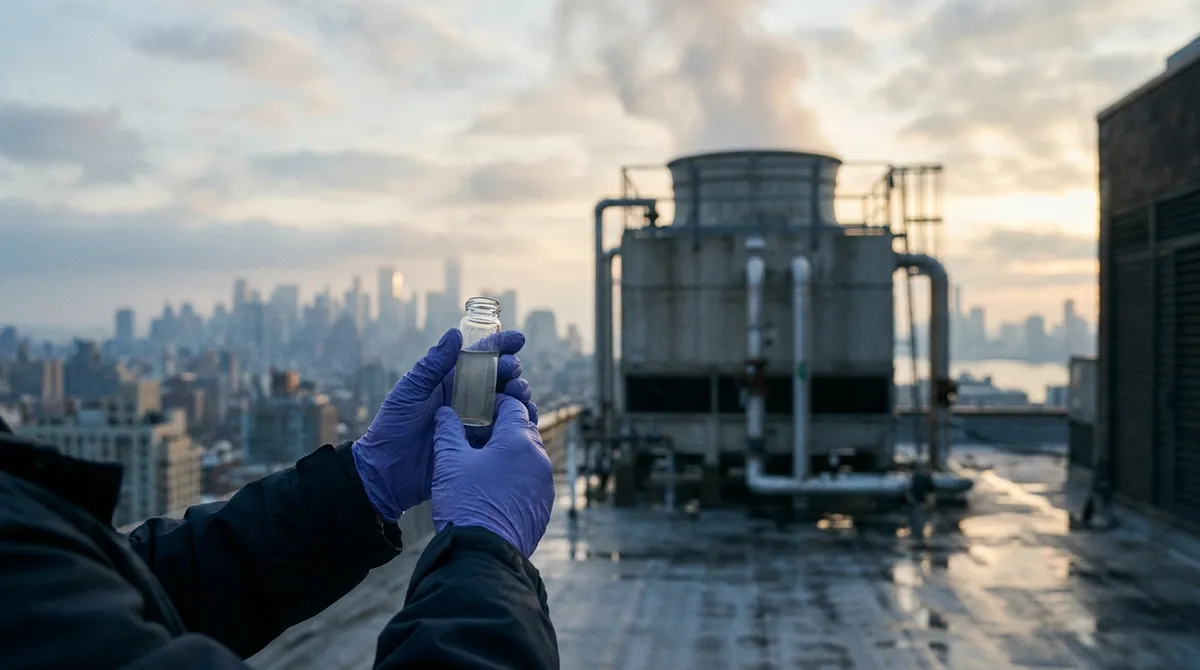
Legionnaires’ disease is a severe form of pneumonia caused by the bacterium Legionella. Typically, it is contracted by inhaling water droplets containing these bacteria, which can be found in sources like cooling towers, hot tubs, and large plumbing systems. It does not spread from person to person.
Symptoms to Watch For
Knowing the symptoms of Legionnaires’ disease can ensure early detection and treatment. Key symptoms include:
- Cough: This may be dry or produce phlegm.
- Shortness of breath: Difficulty in breathing can worsen over time.
- Fever: Patients often experience high fever, chills, and sweating.
- Muscle aches: These may accompany fatigue and malaise.
Anyone experiencing these symptoms should consider seeking medical attention, especially if they have recently been in an area with a reported outbreak.
Current NYC Outbreak
According to reports from The New York Times, ABC7 New York, and CNN, the recent uptick in cases in Manhattan has alarmed health officials, with three deaths now linked to the cluster. The recent cases especially concern visitors and residents in the Upper East Side (UES) of Manhattan.
Officials are actively investigating the source of the outbreak and urging the communities to remain vigilant regarding their health. The Legionnaires’ disease cluster is a reminder that even localized water systems can pose significant health risks.
How to Protect Yourself
While the exact source of the outbreak is still under study, here are some general precautions:
- Be Aware of Surroundings: If you are in areas where the outbreak has been reported, take note of the environments where Legionnaires’ disease is more likely to thrive, such as poorly maintained air conditioning systems and fountains.
- Stay Informed: Health news updates will often outline any environmental hazards. Follow local health department advisories.
- Seek Medical Help: If you or someone you know is showing symptoms, especially if you live or work near the affected areas, consult healthcare providers.
Final Thoughts
Legionnaires' disease is a serious public health concern, especially with current outbreaks reported in New York City. Understanding the disease and its symptoms can make a significant difference in addressing the risks. Remain informed, watch for symptoms, and don’t hesitate to seek care—your health may depend on it.