
Six years after the height of the COVID-19 pandemic, researchers at UCLA are uncovering new insights into the virus's lingering impacts in patients, particularly concerning long COVID. A recent study published in Science Advances highlights the role of a lesser-known component of the virus: the nucleocapsid protein. Unlike the much-studied spike protein, this structural protein has been somewhat overlooked, but its effects on immune cells could hold critical clues to understanding long COVID symptoms.
The Role of the Nucleocapsid Protein
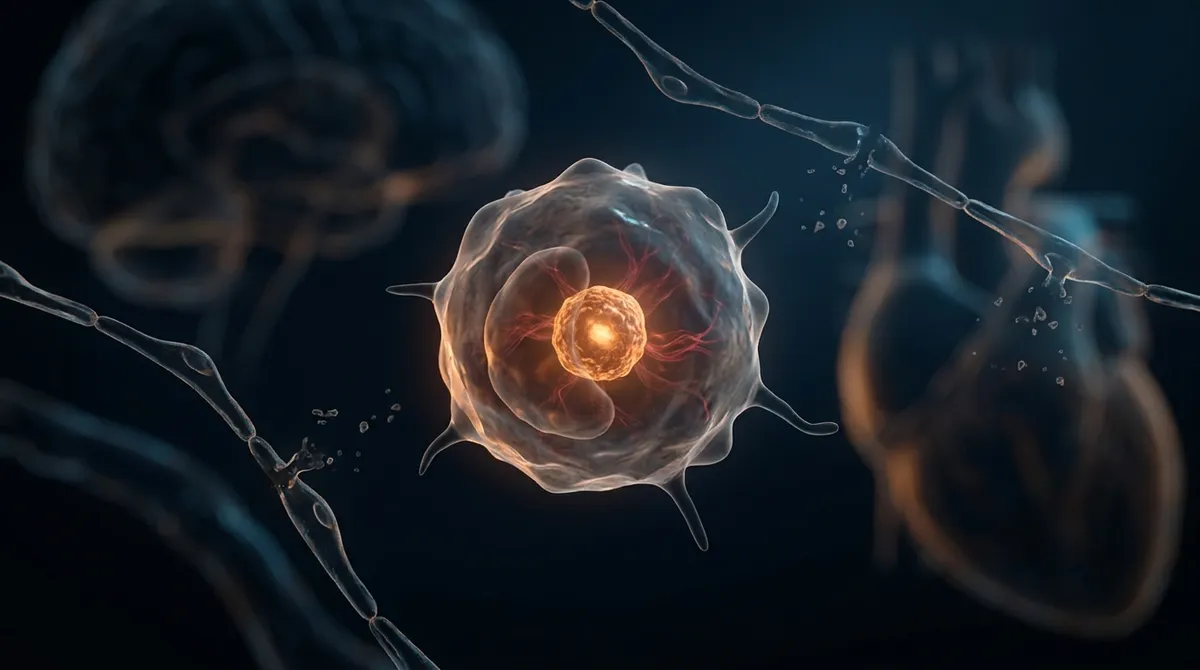
The study indicates that the SARS-CoV-2 nucleocapsid protein operates as a "double-edged sword" within macrophages, which are a type of immune cell responsible for detecting and destroying pathogens. While it helps suppress early antiviral defenses, it also triggers harmful inflammatory responses. These conflicting actions can lead to significant damage to blood vessel barriers in vital organs, including the brain and heart. This could explain some of the severe consequences faced by long COVID patients, particularly those experiencing cardiac and neurological complications.
Why Does This Matter?
With long COVID and its related issues still poorly understood, identifying specific biological mechanisms is essential. The findings from UCLA provide a clearer picture of why certain patients develop severe symptoms long after the initial infection. By understanding the mechanisms of how the nucleocapsid protein operates, researchers could pave the way for more targeted therapies, moving beyond broad anti-inflammatory treatments that may not work for everyone.
Bridging the Gap in Public Knowledge
The general public has been primarily informed about the spike protein's role in COVID-19 discussions, especially regarding vaccines. However, this new information shines a light on the nucleocapsid protein as a potential "hidden villain" that has significant implications for long-term health outcomes. This shift in focus may begin to reframe how we view the damage caused by the virus and the efficacy of treatments currently in use.
The Future of COVID Treatment
Understanding the nucleocapsid protein’s functions could lead to advancements in precision medicine. Researchers might develop targeted nucleocapsid-based vaccines or therapies that specifically address the mechanisms leading to symptoms of long COVID, potentially improving outcomes for countless patients. For example, therapies designed to mitigate the inflammatory responses triggered by this protein may provide a tailored approach to treating long COVID symptoms.
Conclusion
As COVID-19 continues to present challenges, understanding the complexities of its mechanisms is crucial. The UCLA study brings to light the crucial role of the nucleocapsid protein and its interactions with immune cells. By unraveling these complex behaviors, researchers can work towards developing innovative therapies that specifically target the underlying mechanisms of long COVID, ultimately offering better support for those suffering from post-viral complications.