
Colon cancer remains a significant health challenge worldwide, prompting researchers to examine the role diet plays in its prevention. Emerging evidence suggests that consuming cruciferous vegetables, like broccoli, could offer protective benefits against this type of cancer. This article delves into the potential link between broccoli intake and reduced colon cancer risk, drawing on current research findings and nutritional insights.
The Nutritional Powerhouse: Broccoli
Broccoli is renowned for its rich nutritional profile. Packed with vitamins, minerals, and antioxidants, it is particularly high in fiber, vitamin C, and vitamin K. The vegetable also contains sulforaphane, a potent compound believed to contribute to its cancer-preventive properties. This compound is known to help detoxify carcinogens and reduce oxidative stress, which is crucial in combating cancer cell proliferation.
Understanding Colon Cancer
Colon cancer originates in the large intestine and is one of the most common types of cancer. It begins as benign polyps, which can develop into malignant tumors if not detected and treated early. Factors such as genetics, lifestyle, and diet play pivotal roles in its development. While family history and age are non-modifiable risk factors, dietary choices offer a modifiable way to influence risk.
Role of Diet in Colon Cancer Prevention
Dietary patterns significantly impact colon cancer risk. High consumption of red and processed meats has been linked to increased risk, while diets rich in fruits and vegetables are associated with reduced risk. The fiber content in vegetables like broccoli aids in promoting healthy digestion and regular bowel movements, which is essential for lowering colon cancer risk. Moreover, the antioxidants and phytonutrients present in plant foods help counteract the effects of carcinogens.
Research Supporting Broccoli's Benefits
Several studies have explored the impact of broccoli on colon cancer prevention. Research indicates that individuals who regularly consume broccoli and other cruciferous vegetables may have a lower risk of developing colon cancer. The presence of sulforaphane in these vegetables is thought to play a crucial role by inhibiting the growth of cancer cells and preventing the formation of tumor blood vessels.
Integrating Broccoli into Your Diet
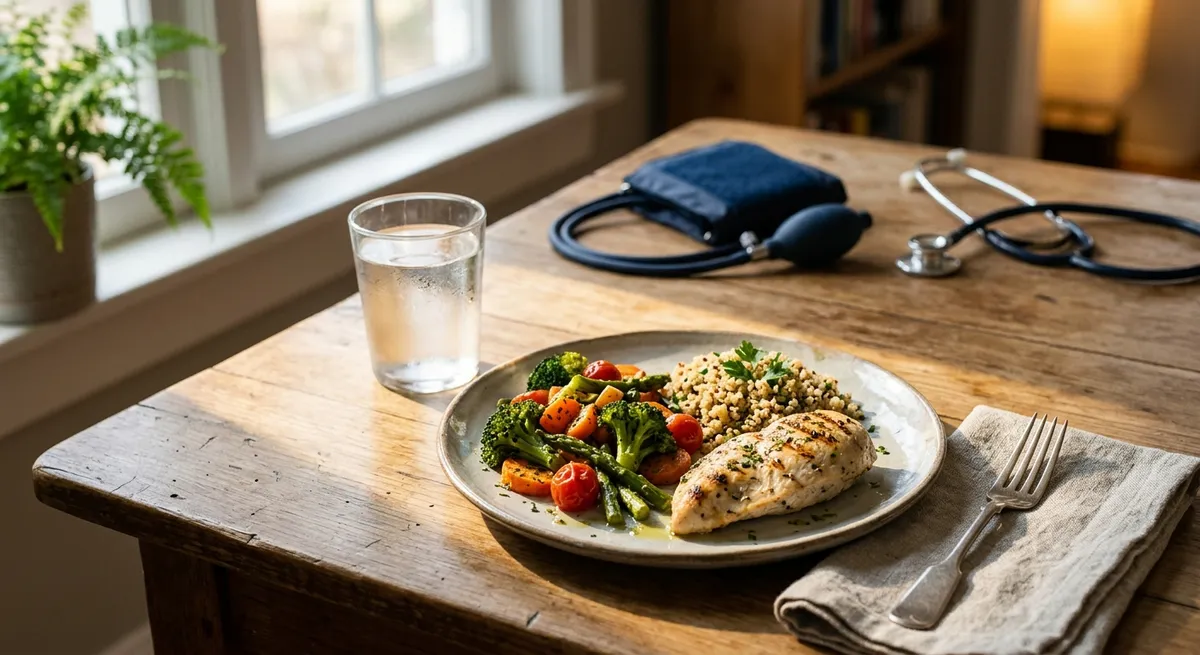
Incorporating broccoli into daily meals is a simple yet effective strategy for enhancing health. It can be enjoyed steamed, roasted, or raw in salads. Pairing broccoli with other nutrient-rich foods can maximize its health benefits. For those who find broccoli less palatable, blending it into smoothies or soups can be a delightful alternative. Consistent and varied consumption is key to gaining its protective effects.
Beyond Broccoli: Other Cruciferous Vegetables
While broccoli is a standout, other cruciferous vegetables like cauliflower, Brussels sprouts, and kale also offer similar benefits. Including a variety of these vegetables in your diet can ensure a comprehensive intake of health-promoting compounds. These vegetables can be prepared in numerous ways to suit different culinary preferences, making them a versatile addition to any meal plan.
Conclusion
The potential of broccoli in lowering colon cancer risk highlights the importance of dietary choices in cancer prevention. By embracing a diet rich in cruciferous vegetables, individuals can take proactive steps toward maintaining their health. While no single food can wholly prevent cancer, incorporating broccoli and its relatives can significantly contribute to a balanced and protective diet. As research continues to evolve, the role of nutrition in cancer prevention becomes increasingly evident, offering a powerful tool in the fight against this prevalent disease.