The Unexpected Habits of Galápagos Sea Turtles
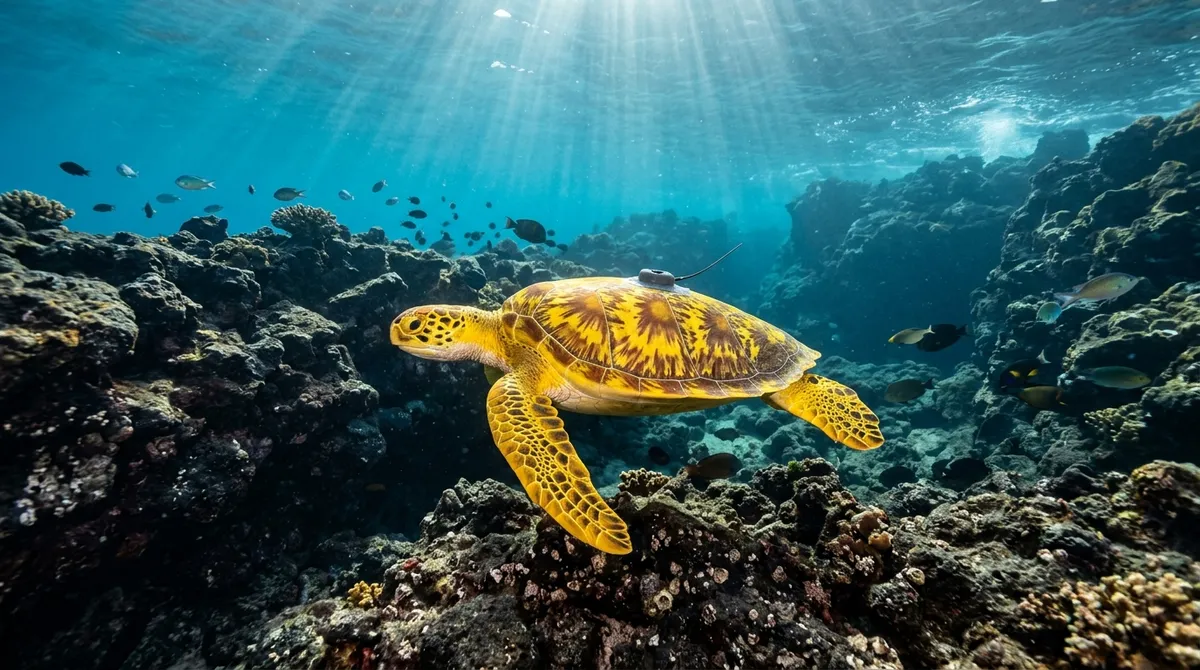
Recent research into the yellow-morph green sea turtles in the Galápagos has shed light on a surprising behavior: rather than embarking on the long migrations typical of their species, these turtles are remaining close to home within their marine reserve. This study challenges long-held assumptions about sea turtle behavior and has profound implications for conservation efforts in the region.
A Closer Look at the Study
Scientists fitted yellow-morph green sea turtles with satellite tags to track their movements. Contrary to what researchers expected, many of these turtles predominantly utilized shallow coastal habitats and inter-island routes instead of venturing into the vast ocean. This tendency to stay rooted in their local environment is a stark contrast to the widely known migratory patterns of sea turtles, which often travel thousands of kilometers.
This finding might seem trivial, but it highlights an essential aspect of animal behavior and ecology, adding another layer to our understanding of how species interact with their environments. With significant insights gathered from tracking these turtles, scientists can now reassess the needs and behaviors of this unique population.
The Importance of Local Habitats
As marine reserves around the world face mounting pressures from fishing, tourism, climate change, and coastal degradation, understanding the reliance of migratory species on local habitats becomes increasingly critical. This study underscores that the purported wanderers may depend heavily on specific local resources rather than roaming the seas as once believed. For conservationists, it signals a need to focus efforts not just on migration corridors but also on the protection of local habitat used by turtles and other marine life.
Complications for Conservation
The discovery adds complexity to our understanding of conservation strategies for sea turtles. With different morphs exhibiting different movement patterns, conservation efforts may need to be tailored based on the specific needs of these populations. For the yellow-morph green turtles that stay close to the Galápagos, conserving their local habitats is essential for their survival. If conservation policies primarily focus on migratory routes, this local reliance could be overlooked, potentially jeopardizing the health of the population.
Conclusion
The findings about the yellow-morph green sea turtles in the Galápagos present not just a surprising twist in animal behavior but also an urgent reminder of the importance of protecting local habitats for migratory species. By ensuring that these unique turtles have access to their crucial coastal environments, we can better support their population and, in turn, the broader ecological health of the Galápagos. This research stands as a testament to how much we still have to learn about the intricate lives of these magnificent ocean wanderers.