
TL;DR
New research reveals that quiet activities like hiking can provoke dangerous wildlife encounters in national parks, particularly with large mammals. Here’s how to stay safe while enjoying nature.
Understanding the Risks of Quiet Outdoor Activities
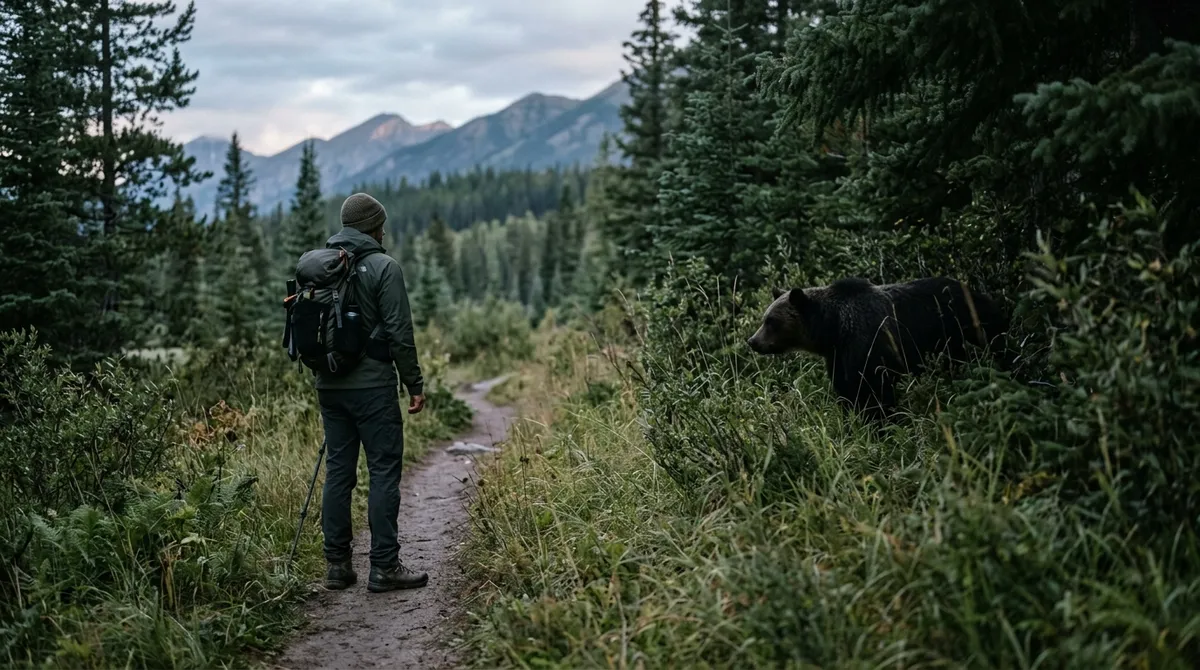
As we emerge from the pandemic, more people are flocking to national parks than ever before. While exploring the great outdoors can be exhilarating, a recent study has highlighted a surprising risk: the quieter the activity, the higher the chance of dangerous wildlife encounters. In an analysis of nearly 3,500 wildlife incidents across Canadian national parks, researchers found that low-impact activities such as hiking and wildlife observation created conditions ripe for conflict with animals, especially large species like elk, bears, and deer.
The Study’s Revealing Findings
So, what does this mean for those heading out to enjoy nature? Here are some key takeaways from the research:
- Quiet activities are riskier: The study shows that hikers engaging in quiet activities are more likely to experience sudden encounters with wildlife compared to those engaged in noisier, more adventurous pursuits. The element of surprise can escalate aggressive behavior in animals.
- Species-specific dangers: Different animals present varying levels of risk. For example, bears may react aggressively if they feel threatened or surprised, while elk can be particularly dangerous during the rutting season when they are more territorial. Understanding how each species might react can be crucial in ensuring safety.
Practical Safety Tips for Park-Goers
To help mitigate risks while still enjoying nature, follow these practical safety tips:
Make Some Noise
It sounds simple, but making noise while hiking can significantly reduce the likelihood of surprising wildlife. Talk with your group, sing, or wear bear bells to let animals know you’re approaching.
Hike in Groups
There’s safety in numbers! Hikers in groups are generally less likely to encounter aggressive wildlife. Larger groups tend to be noisier too, which can keep wildlife at bay.
Stay Alert and Informed
Always check local park alerts and follow guidelines regarding wildlife activity. If a park has issued warnings about bear sightings or other animal-related concerns, be sure to adjust your plans accordingly.
Understand Animal Behavior
Do your homework on the specific wildlife in the area. Knowing how to react when encountering elk, bears, or deer can mean the difference between a safe encounter and a dangerous one. For instance:
- For bears: If you see one from a distance, back away slowly while remaining calm. Do not run.
- For elk: Especially during mating season, watch for aggressive behavior, and keep a safe distance.
- For deer: They may seem harmless, but if cornered or with fawns, they can become unpredictable.
The Rising Trend of Outdoor Recreation
As more individuals seek solace in nature post-pandemic, this study underscores an urgent need for both visitor safety and wildlife protection. Parks now face the challenge of developing data-driven strategies to minimize conflicts. Park managers are already considering new safety signage, trail closures, and increased awareness campaigns to inform visitors about best practices.
The Fauna of Our National Parks
It’s essential to remember that these wildlife encounters often stem from human expansion into natural habitats. As we encroach further into their territories, the potential for conflict increases, necessitating a conversation about responsible park practices. Educating park-goers and empowering them with knowledge can aid in keeping both humans and wildlife safe.
Conclusion: Enjoy Responsibly
As you plan your next hike or wildlife observation, consider this research a valuable reminder. Engage in safe practices to protect yourself and the wildlife that inhabit these beautiful landscapes. By understanding the dynamics of human-wildlife interaction, we can foster a more harmonious relationship with the great outdoors and ensure everyone can enjoy nature responsibly. So gear up, make some noise, and go explore—but keep safety at the forefront of your adventure!