
Breakthrough in Targeting Parkinson's Root Cause
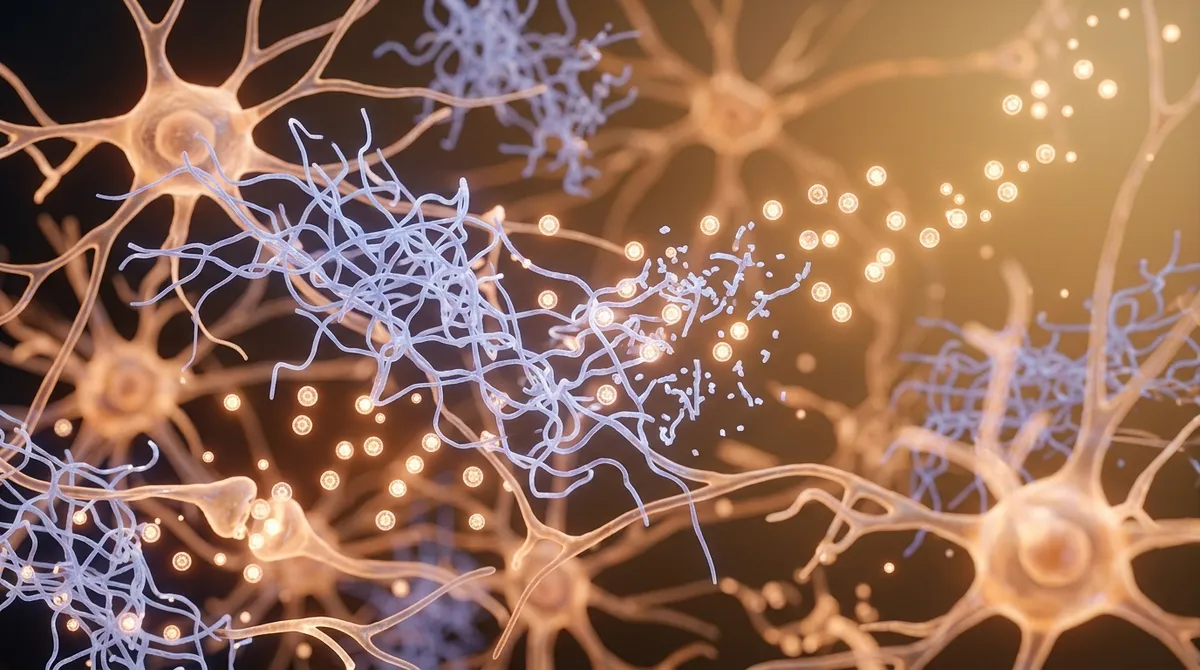
Researchers have discovered that tiny carbon particles called graphene quantum dots may hold promise in combating the protein clumping that drives Parkinson's disease and related neurodegenerative conditions. According to reports, these nanoscale materials can interfere with the buildup of α-synuclein, a protein whose toxic aggregation is a hallmark of Parkinson's and multiple system atrophy (MSA).
The research findings, which span laboratory systems, neuronal cultures, and mouse models, suggest these quantum dots may not only reduce harmful protein clumps but also activate the brain's natural cellular cleanup mechanisms. This development comes as scientists continue searching for treatments that target the underlying causes of neurodegeneration rather than just managing symptoms.
Understanding Alpha-Synuclein's Role in Disease
Alpha-synuclein buildup represents a critical pathway in synucleinopathies, a group of neurodegenerative diseases that includes both Parkinson's disease and MSA. When this protein misfolds and clumps together, it forms toxic aggregates that damage brain cells and contribute to the progressive symptoms patients experience.
Currently, treatments for these conditions primarily focus on symptom management rather than addressing the fundamental protein misfolding process. This gap in therapeutic approaches has driven researchers to explore innovative solutions, including the emerging field of nanomedicine.
The Promise of Nanomedicine
Nanomedicine is gaining significant attention among researchers seeking new ways to cross biological barriers and tackle disease mechanisms at the molecular level. Graphene quantum dots, which are essentially tiny carbon particles, represent one promising avenue in this field due to their unique properties and potential ability to interact with problematic proteins.
According to reports, these quantum dots demonstrated effectiveness across multiple testing environments. The laboratory studies, neuronal culture experiments, and mouse model trials all suggested that the particles could interfere with the α-synuclein clumping process that characterizes these devastating diseases.
Cellular Cleanup Activation
Beyond simply blocking protein aggregation, the research indicates that graphene quantum dots may also activate autophagy—the brain's natural cellular cleanup system. This dual mechanism could prove particularly valuable, as it not only prevents new toxic clumps from forming but potentially helps clear existing problematic protein accumulations.
Autophagy plays a crucial role in maintaining cellular health by removing damaged components and misfolded proteins. When this system functions properly, it serves as a protective mechanism against the kind of protein buildup seen in Parkinson's and related conditions.
Current Treatment Limitations
Parkinson's disease and related neurodegenerative conditions continue to lack treatments that effectively target the underlying protein buildup driving disease progression. Most current therapies focus on managing symptoms like movement difficulties and tremors, but don't address the root cause of neuronal damage.
This limitation has created an urgent need for innovative therapeutic approaches that can tackle the disease mechanisms at their source. The graphene quantum dot research represents one potential pathway toward achieving this goal.
Safety Considerations and Future Steps
While these findings offer hope, significant challenges remain before this approach could become a clinical reality. Nanomedicine faces important safety considerations, particularly when targeting the brain and nervous system. Researchers must thoroughly evaluate the long-term effects and biocompatibility of these materials.
According to reports, extensive additional research will be necessary before graphene quantum dots could potentially become a treatment option. The transition from promising laboratory results to safe, effective human therapies typically requires years of rigorous testing and clinical trials.
Looking Ahead
The research represents an important step forward in understanding how nanotechnology might be leveraged against neurodegenerative diseases. As scientists continue exploring molecular-level interventions for conditions like Parkinson's and MSA, approaches that target protein misfolding mechanisms offer particular promise.
For patients and families affected by these conditions, the findings provide reason for cautious optimism while highlighting the ongoing need for continued research investment. The development of treatments that address underlying disease processes, rather than just symptoms, remains a critical goal in the fight against neurodegeneration.
This early-stage research adds to the growing body of evidence suggesting that nanomedicine approaches may offer new avenues for tackling some of medicine's most challenging diseases.