
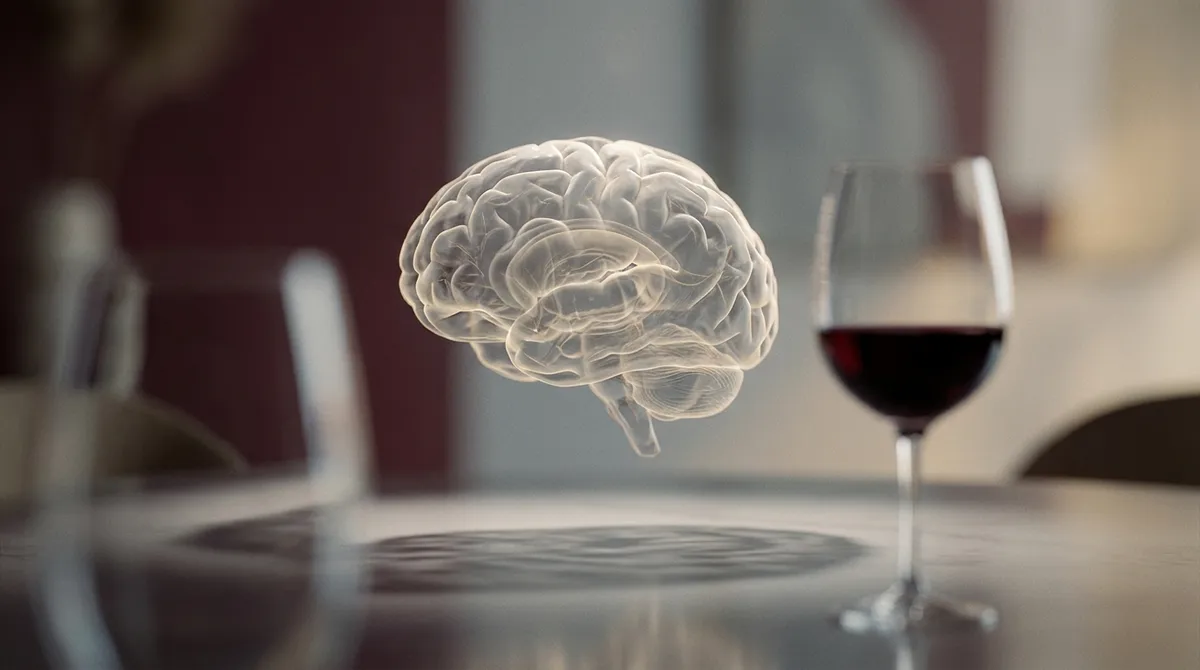
A growing body of research is challenging the idea that occasional or moderate drinking is harmless for the brain. Large brain-imaging studies suggest that alcohol may affect brain structure even at levels many people consider light, including a drink here and there. While the risks rise with heavier drinking, the latest evidence points to a clear message: when it comes to brain health, less alcohol is likely better.
Why alcohol and brain health are under renewed scrutiny
For decades, public health discussions around alcohol focused mainly on liver disease, addiction, accidents, and cancer. Brain health often received less attention, partly because the effects are harder to see. You cannot feel small changes in brain volume after a glass of wine. You may not notice subtle changes in memory, focus, or mood until years later.
Modern brain imaging has changed that picture. Magnetic resonance imaging, better known as MRI, allows researchers to examine brain volume and tissue quality in large groups of people. These scans can detect differences in gray matter and white matter, both of which are essential for healthy thinking, movement, learning, and communication between brain regions.
Recent research using large health databases has found links between alcohol intake and changes in the brain. These associations can appear even among people who drink within limits often labeled moderate. That finding has raised important questions about drinking guidelines and everyday alcohol habits.
What large studies reveal about alcohol and the brain
One major area of evidence comes from studies using data from large population cohorts, including participants who have undergone brain scans and reported their drinking patterns. Researchers have compared alcohol intake with measures such as total brain volume, gray matter volume, and white matter integrity.
Across these analyses, higher alcohol consumption is often associated with smaller brain volume. That matters because loss of brain volume is linked with aging, cognitive decline, and neurological disease. The brain naturally changes with age, but alcohol may accelerate patterns that resemble older brain age.
Importantly, the relationship does not appear limited to people with alcohol use disorder. Some studies have reported measurable differences among people drinking amounts that many would see as routine. The effects tend to become stronger as intake increases, but the pattern can begin at relatively low levels.
Researchers have also noted that moving from very low intake to slightly higher intake may still correspond with detectable changes. This challenges the common belief that only heavy drinking carries neurological consequences.
Gray matter, white matter, and why they matter
The brain contains different types of tissue that perform different roles. Gray matter includes many of the brain's nerve cell bodies. It supports decision-making, memory, emotion, movement, and sensory processing. White matter contains nerve fibers that help brain regions communicate quickly and efficiently.
Alcohol may affect both systems. Reduced gray matter volume can suggest fewer or less healthy neural structures in key regions. Changes in white matter may indicate weaker communication pathways. Together, these changes can influence attention, processing speed, balance, mood, and long-term cognitive performance.
Some findings suggest alcohol-related changes may involve widespread brain areas rather than a single isolated region. This is important because everyday thinking depends on networks. Memory, judgment, language, and emotional control all require regions of the brain to work together.
Does light drinking really cause brain damage?
It is important to interpret the evidence carefully. Many large studies show associations, meaning alcohol intake and brain changes appear connected. Association does not always prove direct cause. Lifestyle, genetics, diet, sleep, income, education, and existing health conditions can also influence brain health.
However, researchers often adjust for many of these factors. When links remain after adjustment, the findings become harder to dismiss. Some studies also use genetic methods to explore whether alcohol itself may contribute to harm. These approaches can strengthen the argument that alcohol plays a direct role.
The safest interpretation is not that one drink will instantly damage the brain. Rather, repeated exposure may contribute to gradual biological changes. The brain is resilient, but it is also sensitive to toxins, inflammation, poor sleep, and vascular stress. Alcohol can affect all of these pathways.
How alcohol may harm the brain over time
Alcohol affects the central nervous system soon after consumption. In the short term, it can slow reaction time, reduce coordination, impair judgment, and disrupt memory formation. These effects occur because alcohol changes chemical signaling in the brain.
Over time, repeated drinking may contribute to inflammation and oxidative stress. These processes can damage cells and blood vessels. Alcohol can also interfere with nutrients that support the brain, including thiamine, a B vitamin needed for nerve function.
Sleep is another key factor. Many people drink to relax, but alcohol often worsens sleep quality. It can reduce restorative sleep, increase overnight waking, and affect breathing during sleep. Poor sleep is strongly linked with memory problems, mood disorders, and cognitive decline.
Alcohol also influences blood pressure and cardiovascular health. Since the brain depends on steady blood flow, anything that harms the vascular system may also harm cognitive function. High blood pressure, stroke risk, and vascular damage are all relevant to long-term brain health.
Why the idea of "healthy drinking" is fading
For years, some studies suggested that light drinking might protect the heart or help people live longer. This contributed to the popular belief that a small amount of alcohol, especially wine, could be beneficial. More recent research has questioned that conclusion.
One problem is the way drinking groups are compared. People who do not drink may include former drinkers who stopped because of health issues. If they are compared with light drinkers, the light drinkers may appear healthier for reasons unrelated to alcohol.
Other lifestyle factors also complicate the picture. Light drinkers may differ from heavier drinkers and nondrinkers in income, diet, exercise, social connections, and access to healthcare. When researchers account for these differences more carefully, the supposed benefits of alcohol often shrink or disappear.
Public health agencies are increasingly emphasizing risk reduction rather than potential benefits. Alcohol is linked with several cancers, liver disease, injuries, mental health problems, and now mounting concerns about brain structure and cognitive aging.
Who may be especially vulnerable?
Alcohol does not affect everyone in the same way. Age, sex, body size, genetics, medications, and underlying health all influence risk. Older adults may be more sensitive because the brain and liver become less efficient with age. They are also more likely to take medications that interact with alcohol.
People with high blood pressure, diabetes, sleep disorders, depression, anxiety, or a history of head injury may also face added concern. These conditions already place stress on the brain. Alcohol can compound that burden.
Women may experience some alcohol-related harms at lower intake levels than men. Differences in body water, metabolism, and hormones can affect blood alcohol concentration. This does not mean alcohol is safe for men. It means personalized risk matters.
People with a family history of dementia or alcohol use disorder should be particularly cautious. Genetics can shape both alcohol response and vulnerability to neurological disease.
What counts as a small amount of alcohol?
Drinking guidelines vary by country, which can create confusion. A standard drink is not the same everywhere. In general, it may mean a small glass of wine, a regular beer, or a single measure of spirits. But actual serving sizes are often larger than people realize.
A generous pour of wine can contain more than one standard drink. Craft beers may have higher alcohol content than typical beers. Cocktails can contain several measures of spirits. Because of this, many people underestimate their weekly alcohol intake.
If brain health is the priority, tracking actual units or standard drinks can be useful. It helps people see patterns clearly. Occasional drinking may still add up if servings are large or alcohol strength is high.
Practical ways to reduce alcohol for better brain health
Reducing alcohol does not have to require an all-or-nothing approach. Many people benefit from simple changes. Start by choosing alcohol-free days each week. This lowers total exposure and breaks automatic habits.
Switching to smaller servings can also help. Use a smaller glass, choose lower-alcohol options, or alternate alcoholic drinks with water. Eating before drinking can slow absorption and reduce overconsumption.
It is also helpful to identify triggers. Stress, social pressure, boredom, and poor sleep can all drive drinking. Replacing alcohol with another routine can make change easier. Herbal tea, sparkling water, exercise, or a short walk may serve the same emotional purpose without the neurological burden.
People who struggle to cut back should not view that as a personal failure. Alcohol can be habit-forming. Support from a healthcare professional, therapist, or recovery program can make reduction safer and more sustainable.
Conclusion: brain health starts with daily choices
The latest research sends a clear signal. Alcohol is not a neutral substance for the brain. Heavier drinking carries greater risk, but even low levels may contribute to measurable brain changes over time. For anyone focused on memory, mental clarity, healthy aging, or dementia prevention, reducing alcohol is a practical step.
No single habit determines brain health. Diet, exercise, sleep, social connection, blood pressure control, and lifelong learning all matter. Yet alcohol is one factor people can modify. Choosing less may help protect the brain today and support sharper thinking in the years ahead.