Understanding Stroke Risk in the Modern Era
Stroke continues to rank among the leading causes of disability and death worldwide, making prevention and early intervention more critical than ever. According to recent reports, a Yale neurologist has provided valuable insights into stroke risk management, highlighting both traditional prevention methods and cutting-edge rehabilitation technologies that are transforming patient outcomes.
The discussion comes at a particularly relevant time, as wearable technology is making personal health monitoring increasingly accessible to the general population. This convergence of medical expertise and consumer technology is creating new opportunities for stroke prevention and early detection.
Identifying and Managing Risk Factors
According to the neurologist's insights, several key risk factors play significant roles in stroke development. High blood pressure emerges as a primary concern, along with atrial fibrillation, a heart rhythm disorder that can increase stroke risk substantially. These conditions represent some of the most important controllable risk factors that individuals can address through medical management and lifestyle modifications.
The discussion emphasized that understanding which risk factors are actually controllable versus those that are not remains crucial for effective prevention strategies. This distinction helps patients focus their efforts on areas where they can make meaningful changes to reduce their stroke risk.
Lifestyle Interventions and Dietary Approaches
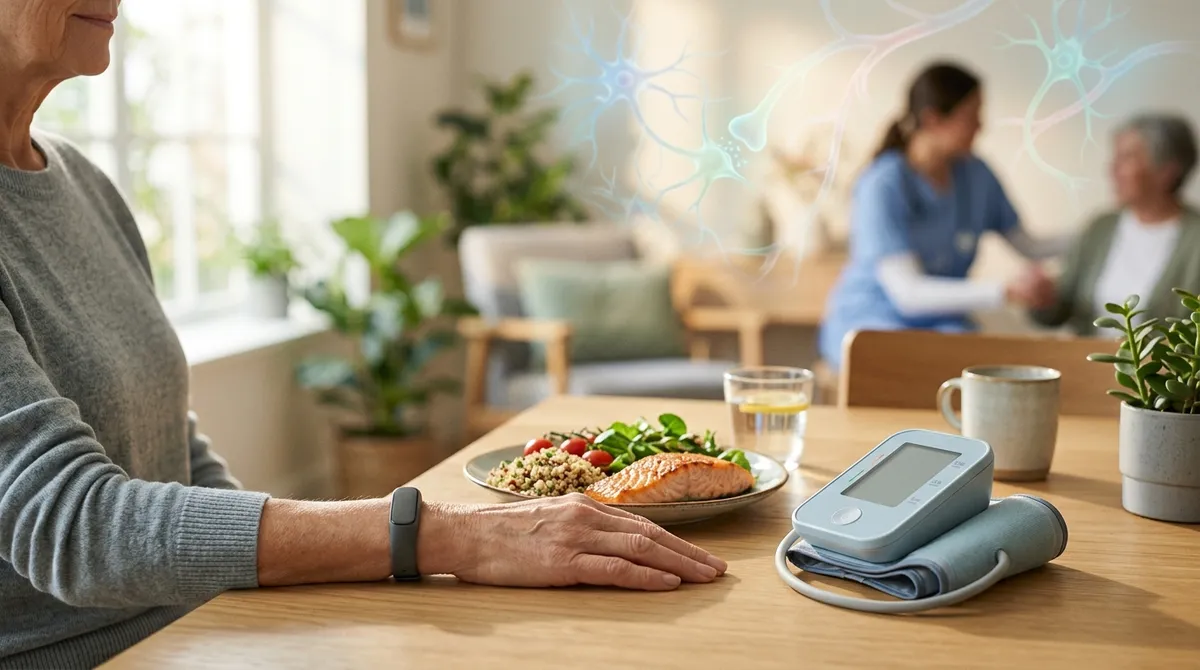
The DASH diet received particular attention as an evidence-based nutritional approach for stroke prevention. This dietary pattern, which emphasizes fruits, vegetables, whole grains, and lean proteins while limiting sodium and processed foods, has demonstrated significant benefits for cardiovascular health and stroke risk reduction.
Regular exercise also featured prominently in the prevention discussion, highlighting how physical activity serves as a cornerstone of comprehensive stroke prevention strategies. The combination of proper nutrition and regular physical activity creates a powerful foundation for reducing stroke risk through lifestyle modification.
The Role of Wearable Technology
Modern wearable devices are revolutionizing how individuals can monitor their health and potentially catch early warning signs of stroke risk. According to reports, these devices can detect irregular heart rhythms, which may indicate atrial fibrillation – a significant stroke risk factor that often goes undiagnosed.
This technological advancement represents a significant shift in preventive healthcare, allowing continuous monitoring outside of clinical settings. The integration of wearable technology into comprehensive stroke prevention strategies demonstrates how consumer health devices are becoming valuable tools in medical care.
Emerging Rehabilitation Technologies
The field of stroke rehabilitation is experiencing rapid innovation, with new technologies showing promise for improving recovery outcomes. Reports indicate that emerging rehabilitation technologies are changing how patients recover from strokes, offering new hope for those affected by these life-altering events.
One specific technology mentioned, Vivistim, represents the type of innovative approach that is transforming rehabilitation outcomes. These advances suggest that the future of stroke recovery may involve sophisticated technological interventions that enhance traditional rehabilitation methods.
Real-World Impact: Patient Stories
The discussion included reference to actual patient experiences, including a case of hemorrhagic stroke – a particularly dangerous type that occurs when blood vessels in the brain rupture and bleed. This type of stroke represents a life-threatening emergency that underscores the importance of both prevention and rapid response.
Hemorrhagic strokes differ from the more common ischemic strokes, which occur when blood flow to the brain is blocked. Understanding these distinctions helps patients and families recognize symptoms and seek appropriate emergency care.
Moving Forward with Prevention
The neurologist's insights highlight the multifaceted nature of stroke prevention, combining traditional medical management with modern technological tools. This comprehensive approach acknowledges that effective stroke prevention requires attention to multiple risk factors simultaneously.
The emphasis on controllable risk factors provides hope for individuals concerned about their stroke risk. By focusing on elements like blood pressure management, heart rhythm monitoring, dietary choices, and regular exercise, people can take meaningful steps to reduce their risk.
As wearable technology continues to evolve and rehabilitation methods advance, the landscape of stroke prevention and recovery will likely continue improving. These developments offer promising prospects for reducing the burden of stroke-related disability and death in the coming years.
The combination of expert medical guidance, lifestyle interventions, and technological innovations creates a comprehensive framework for addressing stroke risk that extends well beyond traditional clinical settings.