
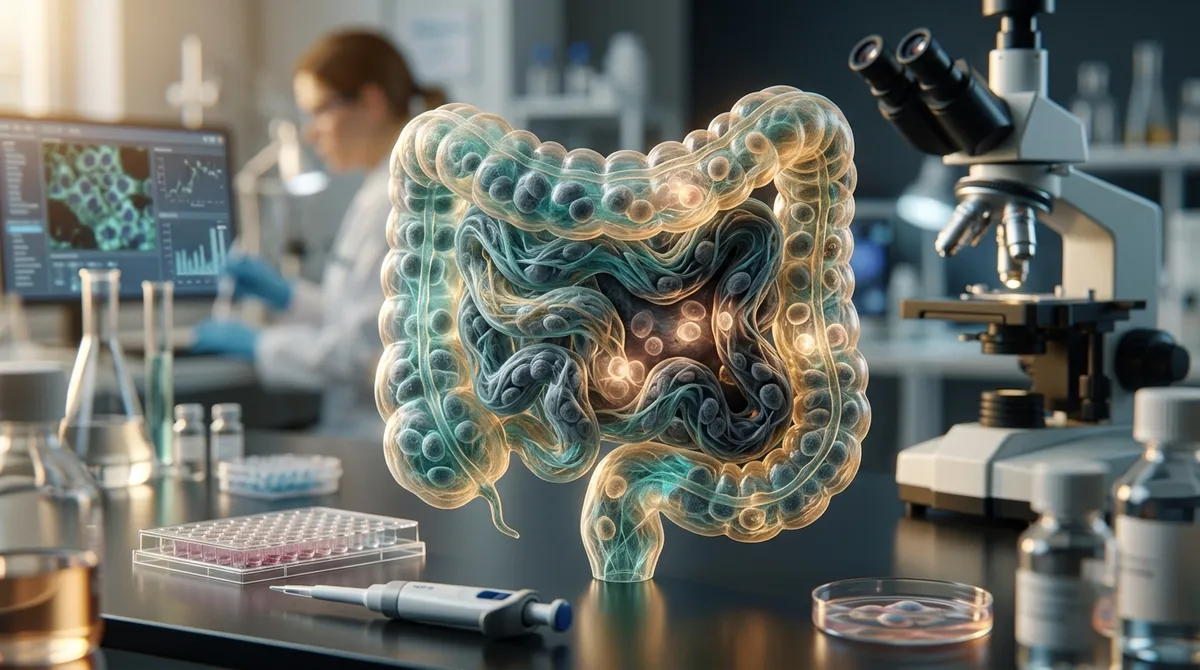
Colorectal cancer can return even after successful treatment, and scientists are increasingly focused on why. New research points to a small group of stem-like cancer cells that may survive therapy, hide in the body, and later help tumors grow again.
Why colorectal cancer recurrence remains a major challenge
Colorectal cancer begins in the colon or rectum. It is one of the most commonly diagnosed cancers worldwide. When doctors detect it early, treatment can be highly effective. Surgery may remove the tumor, and chemotherapy, radiation, targeted therapy, or immunotherapy may follow when needed.
Yet recurrence remains a serious concern. Some people finish treatment with no visible cancer on scans. Months or years later, the disease may reappear. It can return near the original tumor site or spread to organs such as the liver or lungs.
This relapse often starts from cancer cells that were not detectable during treatment. These remaining cells are sometimes called minimal residual disease. They may be too few to show up on imaging tests. However, they can still carry the ability to restart tumor growth.
Understanding these hidden cells has become a priority in colorectal cancer research. If doctors can identify and eliminate them earlier, they may improve long-term survival and reduce the chance of cancer coming back.
What are stem-like cancer cells?
Stem-like cancer cells are tumor cells with unusual survival abilities. Like normal stem cells, they can renew themselves and create different types of cells. In cancer, those properties can make them especially dangerous.
These cells may divide slowly, which helps them avoid treatments that target fast-growing cancer cells. Some can enter a dormant state. Others adapt to stressful conditions, repair damage, or resist chemotherapy more effectively than other tumor cells.
In colorectal cancer, researchers believe stem-like cells may play a key role in relapse. They are not always the largest part of a tumor. Still, they can act like seeds. If they survive treatment, they may later produce new tumor growth.
This does not mean every colorectal tumor behaves the same way. Cancer biology varies from person to person. Tumors can contain many cell types, and each may respond differently to treatment. That complexity is one reason recurrence can be difficult to predict.
How hidden tumor cells may drive relapse
Recent studies have examined how certain colorectal cancer cells travel, survive, and reactivate after treatment. Laboratory and animal research suggests that a distinct population of stem-like cells may remain after the main tumor is removed.
These cells can show features linked with tissue repair and regeneration. That may help them survive in hostile environments. For example, a cell that reaches the liver must adapt to a new location, avoid immune attack, and find signals that allow it to grow.
Researchers have also observed that these cells may stay quiet for some time. Dormancy creates a major clinical problem. A dormant cell may not respond well to treatment because many cancer therapies work best against active, dividing cells.
Later, changes in the immune system, inflammation, the surrounding tissue, or cancer cell signaling may allow dormant cells to wake up. Once they restart growth, they can form tumors that are harder to treat.
Why targeting these cells could change treatment
If stem-like tumor cells are responsible for many recurrences, treatment strategies may need to shift. Removing the visible tumor is essential. However, doctors may also need tools that specifically attack the cells most likely to cause relapse.
This approach could be especially important around the time of surgery. Surgery can remove localized colorectal cancer, but microscopic disease may remain. A therapy given before or after surgery could help clear dangerous residual cells before they form new tumors.
Researchers are exploring several possible strategies. One is to identify molecular markers on stem-like cancer cells. These markers could help doctors detect high-risk disease or design treatments that directly target those cells.
Another strategy involves the immune system. Some research suggests immune-based treatments may help remove residual cancer cells in selected cases. Immunotherapy already benefits certain people with colorectal cancer, especially tumors with mismatch repair deficiency or high microsatellite instability. Scientists are now asking whether immune strategies could be expanded or timed differently to prevent recurrence.
Targeted therapies may also play a role. If researchers identify survival pathways that stem-like cells depend on, drugs could block those signals. The goal would be to make resistant cells vulnerable before they can restart cancer growth.
Biomarkers may help predict recurrence risk
One of the most promising areas is biomarker testing. Biomarkers are measurable signs that provide information about disease behavior. In colorectal cancer, they can include tumor mutations, protein patterns, immune features, or circulating tumor DNA in the blood.
Circulating tumor DNA, often called ctDNA, is already changing how doctors think about recurrence. After surgery, a positive ctDNA test may suggest that cancer cells remain somewhere in the body. This can help identify patients who may need closer monitoring or additional treatment.
Stem-like cell markers could add another layer of detail. If a tumor contains cells with strong relapse-associated features, doctors might classify that patient as higher risk. That information could guide follow-up schedules and treatment intensity.
However, biomarker tools must be validated carefully. A test must accurately identify patients at risk without causing unnecessary treatment for those who are unlikely to relapse. Large clinical studies are needed before new markers become routine care.
What this means for patients today
The research is promising, but it does not mean standard colorectal cancer treatment has changed overnight. Many findings on stem-like cells come from laboratory models, tumor samples, and early-stage research. These discoveries must be tested in clinical trials before they become widely available.
Patients should not stop or change treatment based on emerging studies alone. Instead, they should discuss recurrence risk with their oncology team. The best approach depends on cancer stage, tumor biology, surgical results, lymph node involvement, genetic markers, and overall health.
For some patients, additional chemotherapy after surgery can lower recurrence risk. Others may benefit from radiation, targeted medicine, immunotherapy, or clinical trial participation. Follow-up care is also critical. Regular visits, imaging, colonoscopy, and blood tests help detect recurrence as early as possible.
People who have completed treatment should report new symptoms promptly. Persistent abdominal pain, unexplained weight loss, bowel habit changes, blood in the stool, fatigue, or new pain should be discussed with a clinician. These symptoms do not always mean cancer has returned, but they deserve medical attention.
Lifestyle and screening still matter
Advanced cancer research is essential, but prevention and early detection remain powerful tools. Colorectal cancer often develops from precancerous polyps. Screening can find and remove these polyps before they become cancer.
Many guidelines recommend regular colorectal cancer screening beginning at age 45 for average-risk adults. People with a family history, inflammatory bowel disease, inherited cancer syndromes, or prior polyps may need screening earlier or more often.
Lifestyle choices can also influence colorectal cancer risk. A balanced diet rich in fiber, fruits, vegetables, and whole grains may support colon health. Limiting processed meat, avoiding smoking, reducing alcohol intake, staying active, and maintaining a healthy weight can also help lower risk.
For survivors, these habits may support overall recovery and long-term wellness. They are not substitutes for medical care, but they can complement a comprehensive survivorship plan.
The future of colorectal cancer recurrence prevention
The growing focus on stem-like cancer cells reflects a broader shift in oncology. Researchers are no longer looking only at tumor size or location. They are studying which cells allow cancer to survive, spread, and return.
This deeper understanding could lead to more precise treatment. In the future, doctors may analyze a tumor for relapse-driving cells, check blood for residual disease, and choose therapy based on the specific biology of each patient's cancer.
The ultimate goal is clear. Treat the visible tumor, eliminate hidden high-risk cells, and reduce the chance of recurrence. While more research is needed, targeting stem-like colorectal cancer cells may become an important part of that strategy.
For now, patients should stay engaged with their care team, keep recommended follow-up appointments, and ask whether biomarker testing or clinical trials are appropriate. Progress in this field is moving quickly, and each discovery brings researchers closer to preventing colorectal cancer from coming back.